
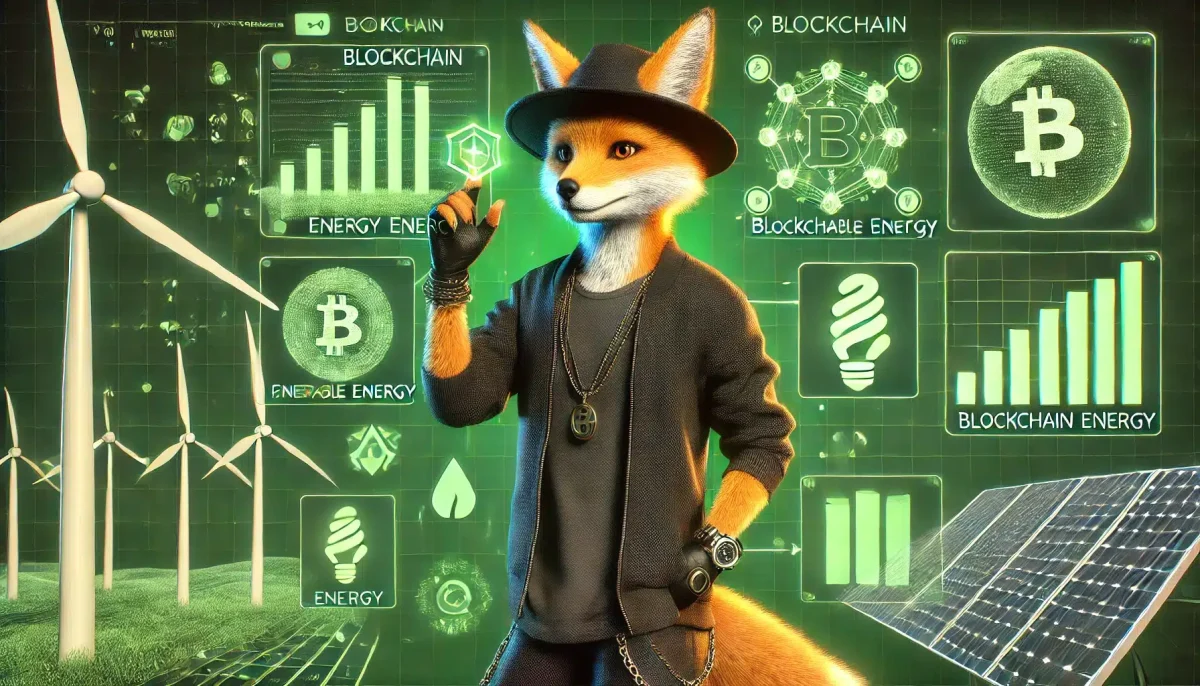
Blockchain technology isn’t just for cryptocurrency anymore it’s revolutionizing the renewable energy sector. This blog explores how blockchain enhances transparency, reduces costs, and offers future prospects for integrating AI and IoT in renewable energy.
Introduction to Blockchain and Its Role in Renewable Energy
When you hear “blockchain,” you might immediately think of Bitcoin or other cryptocurrencies. However, blockchain’s potential reaches far beyond digital currencies (learn more deeply the blockhain thanks to the best books). At its core, blockchain is a decentralized digital ledger that securely records transactions across many computers. This technology ensures that once data is recorded, it can’t be altered without changing all subsequent blocks, making the system incredibly secure and transparent.
Now, why should we care about blockchain in the context of renewable energy? For one, the renewable energy sector is pivotal for a sustainable future. As the world grapples with climate change and the depletion of fossil fuels, renewable energy sources like wind, solar, and hydro are becoming increasingly essential. But the sector faces significant challenges, such as inefficiencies in energy distribution, lack of transparency, and the high costs associated with energy projects.
This is where blockchain comes into play. By integrating blockchain technology into renewable energy systems, we can address many of these challenges. Blockchain can streamline operations, foster transparency, and reduce costs, all while ensuring the integrity of energy transactions. Let’s dive deeper into how blockchain is reshaping the renewable energy landscape.
Enhancing Transparency and Trust in Renewable Energy Projects
One of the standout features of blockchain is its ability to enhance transparency. In the renewable energy sector, this means creating a more trustworthy and verifiable system for energy transactions. With blockchain, every kilowatt-hour of energy generated and consumed can be tracked and recorded on a transparent, immutable ledger.
Imagine you’re a consumer who wants to ensure the energy you use is sourced from renewable means. Blockchain makes it possible to trace the origins of your energy supply, providing you with verifiable proof that your energy comes from a renewable source. This not only builds trust but also encourages more people to opt for green energy.
Take the case of Brooklyn Microgrid in New York. This project uses blockchain to enable peer-to-peer energy trading among residents. Homeowners with solar panels can sell their excess energy directly to their neighbors, tracked and verified by blockchain. This kind of transparency ensures that everyone involved knows exactly where their energy comes from and where it’s going.
Blockchain certification can also boost trust in renewable energy projects. For instance, when companies invest in renewable energy, they often seek certification to prove their green credentials. Blockchain can streamline this certification process by providing a tamper-proof record of energy transactions. This means businesses and investors can confidently back renewable projects, knowing their investments are genuinely contributing to a sustainable future.
Streamlining Operations and Reducing Costs
Blockchain doesn’t just enhance transparency; it also optimizes operations and cuts costs in the renewable energy sector. One of the ways it does this is through the use of smart contracts. These are self-executing contracts with the terms of the agreement directly written into code. They automatically execute transactions when predefined conditions are met, eliminating the need for intermediaries and reducing administrative costs.
In the context of renewable energy, smart contracts can streamline the distribution of energy. For example, when a solar farm generates electricity, smart contracts can automatically distribute this energy to consumers based on real-time demand and pre-set agreements. This not only speeds up the distribution process but also ensures that energy is efficiently allocated.
Peer-to-peer energy trading platforms are another area where blockchain shines. These platforms enable small-scale producers, such as homeowners with solar panels, to trade energy directly with other consumers. Blockchain records each transaction, ensuring transparency and trust. This decentralized approach reduces the reliance on traditional energy suppliers and cuts down on transmission losses, ultimately lowering costs for consumers.
Moreover, blockchain can help reduce the costs associated with energy markets. Traditional energy markets involve numerous intermediaries, each taking a cut of the profits. By using blockchain, these intermediaries can be bypassed, leading to more direct transactions and lower costs. This is particularly beneficial for small-scale renewable energy producers who often face high entry barriers in traditional energy markets.
Challenges and Future Prospects
While the potential benefits of blockchain in the renewable energy sector are significant, it’s essential to acknowledge the challenges that come with implementing this technology. One of the primary issues is scalability. The energy sector involves a vast number of transactions, and current blockchain technology may struggle to handle such a high volume efficiently. As a result, there’s a need for ongoing research and development to improve blockchain’s scalability.
Interoperability is another challenge. The renewable energy sector involves various stakeholders, including energy producers, consumers, regulators, and grid operators. For blockchain to be effective, it needs to seamlessly integrate with existing energy systems and protocols. Developing universal standards and protocols for blockchain in energy will be crucial for widespread adoption.
Another consideration is the environmental impact of blockchain operations. While blockchain can support renewable energy, it’s important to ensure that the technology itself doesn’t contribute to environmental degradation. Traditional blockchain networks, like Bitcoin, are notorious for their high energy consumption. However, newer blockchain models, such as proof-of-stake, offer more energy-efficient alternatives that could be more suitable for the renewable energy sector.
Looking to the future, the integration of artificial intelligence (AI) and the Internet of Things (IoT) with blockchain could unlock even greater potential for renewable energy. AI can analyze vast amounts of data to optimize energy production and distribution, while IoT devices can provide real-time monitoring and control of energy systems. Combined with blockchain, these technologies can create highly efficient, autonomous energy systems that adapt to changing conditions and demand.
Also understand the future of blockchain
In conclusion, blockchain holds immense promise for revolutionizing the renewable energy sector. By enhancing transparency, streamlining operations, and reducing costs, blockchain can help overcome some of the key challenges faced by the industry. While there are hurdles to overcome, the future looks bright as blockchain technology continues to evolve and integrate with other innovations like AI and IoT. The journey towards a sustainable future is complex, but with blockchain at the helm, we’re on the right track.
“Guess what? When you click and buy through our links, you’re doing more than improving your journey. You’re supporting us in a way that doesn’t cost you extra but helps us keep bringing you the best blockchain posts. It’s a pump for both of us!”
-0xteumessia