
An Era‑Defining Shift
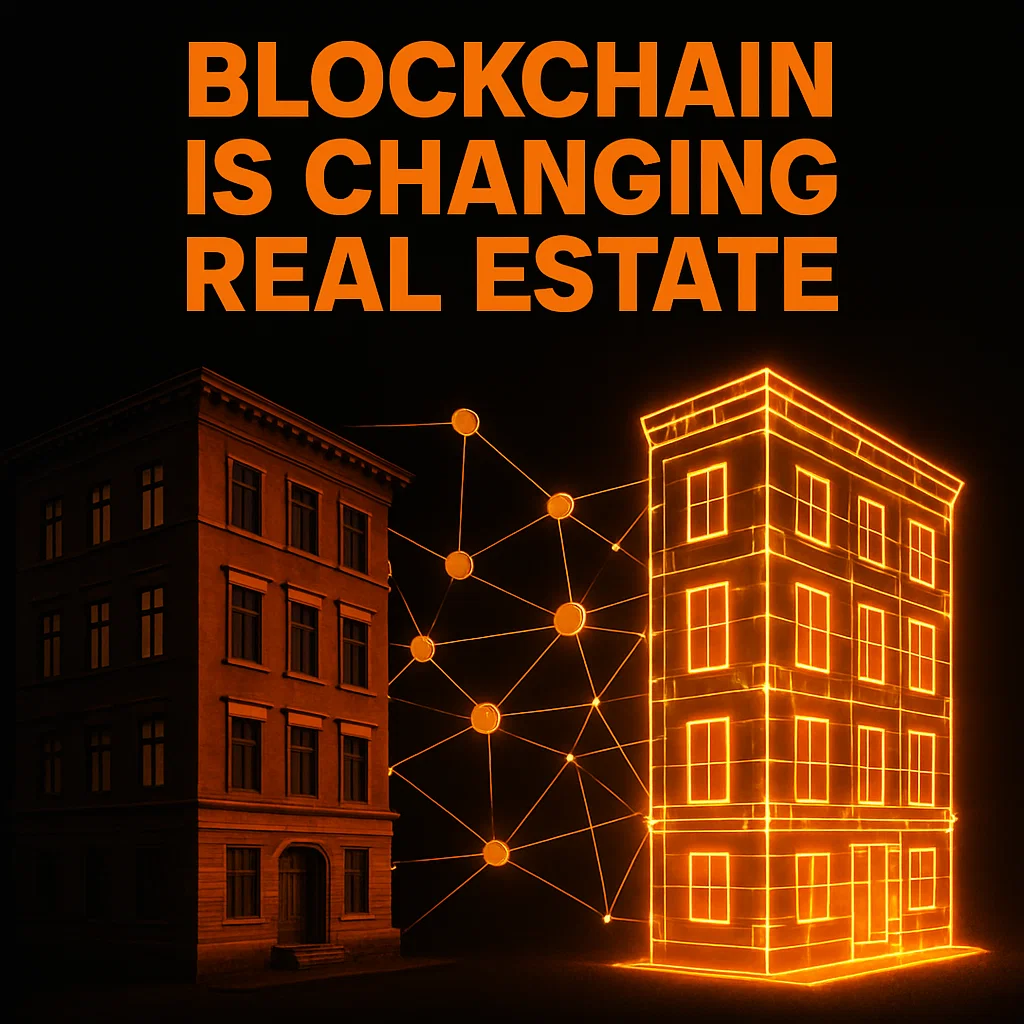
Blockchain Is Changing Real Estate by redefining how property is bought, sold, financed, and managed ushering in a new era of transparency, efficiency, and global participation. In the detailed sections below, you will explore every facet of this transformation, from fractional ownership to the regulatory nuances that will shape adoption in the years ahead. By the end, you will understand not only the “how,” but also the “why,” and you will be armed with practical next steps to future‑proof your real‑estate strategy.
A New Paradigm: Tokenization as the Great Unlock
Fractional Ownership & Liquid Markets
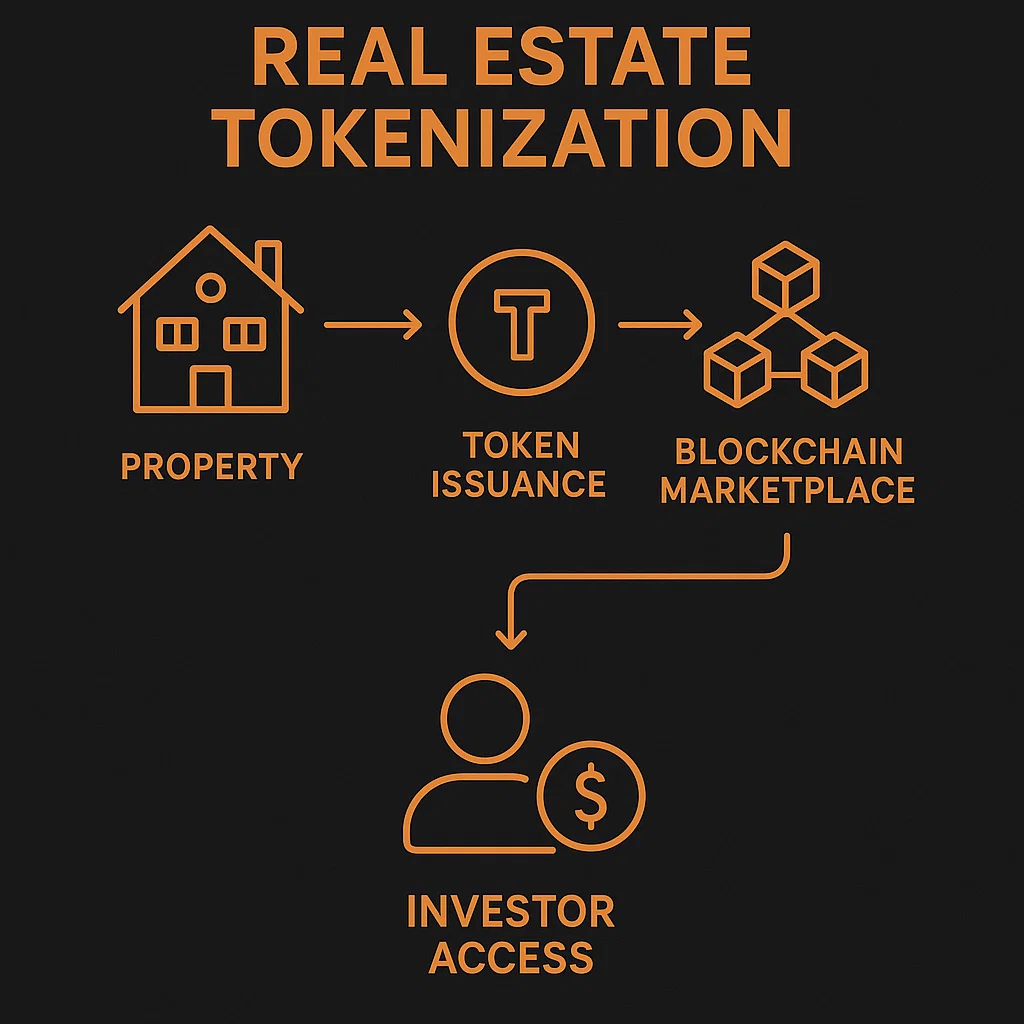
Imagine carving a single building into thousands of bite‑sized digital shares and letting investors trade them as easily as stocks. That is tokenization in action. By issuing blockchain‑based tokens representing fractional stakes, property owners transform illiquid bricks and mortar into liquid digital assets. Lower capital thresholds mean that someone with only a few hundred dollars can diversify into multiple apartment complexes, shopping malls, or industrial warehouses worldwide. Secondary trading on 24/7 marketplaces reduces the traditional months‑long sales cycle to near‑instant liquidity events, while global investor participation injects fresh capital into previously local deals. The net result is a property arena that behaves more like a vibrant equity exchange than a sleepy, paper‑heavy asset class a clear illustration of how Blockchain Is Changing Real Estate.
Smart Contracts: The Invisible Workforce Keeping Deals on Rails
Automation & Cost Savings
Every real‑estate transaction involves a daisy chain of verifications title checks, escrow funding, identity confirmation, compliance attestation. Smart contracts condense that complexity into deterministic code. Funds sit in on‑chain escrow until an oracle confirms that the digital title has transferred. Rental income can be scheduled to drop into an owner’s wallet the moment a tenant’s on‑chain payment clears. Even maintenance SLAs can be encoded so that contractors are automatically paid once they upload a timestamped, geotagged proof‑of‑work photo. By shrinking human intervention, smart contracts slash administrative overhead, shrink settlement times from weeks to minutes, and minimize the clerical errors that breed disputes vivid proof that Blockchain Is Changing Real Estate for the better.
Immutable Records: Trust, but Verify Instantly
Tamper‑Proof Titles & Histories
Blockchain’s tamper‑resistant ledger eradicates the endless paper shuffling that plagues title offices. Historical ownership, liens, zoning changes, and even energy‑efficiency certifications can all live on‑chain as cryptographically hashed entries. Any stakeholder from a prospective buyer to a municipal auditor can confirm provenance in seconds without relying on a single centralized database. Fraudulent double‑sales, forged signatures, or mysteriously “lost” files become relics of the past, replaced by verifiable, timestamped proof that every event in a property’s life cycle actually occurred. This bullet‑proof transparency is yet another way Blockchain Is Changing Real Estate.
Blockchain Is Changing Real Estate by making trust and verification instant, tamper-proof, and accessible to everyone.
Borderless Marketplaces: Demolishing Geographic Silos
24/7 Global Reach
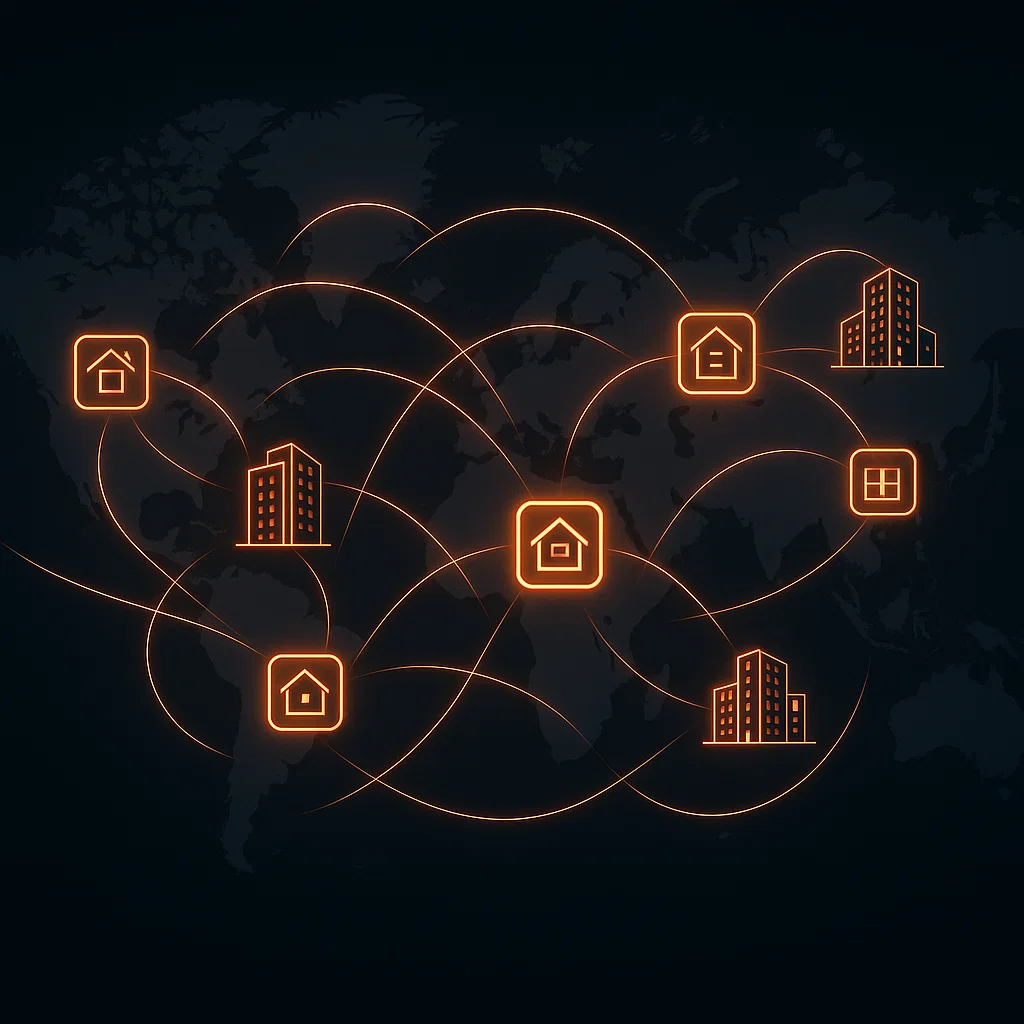
Traditional listings are fenced in by local MLS systems, regional brokers, and jurisdiction‑specific paperwork. Blockchain‑based platforms flatten those barriers. A doctor in São Paulo can scroll through fractional ownership opportunities in Berlin, while a student in Nairobi can buy a sliver of a Miami co‑living space. Always‑open trading eliminates banking‑hour constraints; standardized metadata and digital IDs streamline cross‑border KYC; and stablecoins settle payments without FX drag. Real‑estate markets morph from fragmented archipelagos into a single, liquid ocean yet another demonstration of how Blockchain Is Changing Real Estate on a planetary scale.
DeFi Meets Property: Funding Without the Friction
Peer‑to‑Peer Lending & Stablecoin Collateral
Decentralized finance (DeFi) unlocks new capital channels for buyers and developers. Peer‑to‑peer lending pools match borrowers directly with liquidity providers at rates that often undercut banks. Real‑estate‑backed stablecoins offer a hedge against crypto volatility, letting investors park value in tokens pegged to tangible buildings. Flash‑loan‑based refinancing can restructure debt positions in minutes, opening the door to rapid arbitrage or swift liquidity injections when market conditions shift. These innovations showcase yet another dimension in which Blockchain Is Changing Real Estate, making funding faster and more inclusive.
Operational Excellence: Automating Property Management
Transparent Workflows & On‑Chain Governance
Owners know profitability hinges on efficient operations. Blockchain‑enabled workflows bring granular transparency to everything from rent collection to HVAC repairs. Tenants push payments directly to a landlord’s wallet, reducing fees. Maintenance logs written to an immutable ledger give a crystal‑clear audit trail handy when negotiating insurance or resale valuations. For tokenized co‑ownership, on‑chain voting lets stakeholders approve budgets or major repairs with every ballot permanently recorded. Efficiency gains here again underline how Blockchain Is Changing Real Estate at the operational layer.
Regulatory Headwinds and Legal Harmonization
Navigating Compliance & Security
Progress never happens in a vacuum. Digital titles remain unrecognized in many jurisdictions. Securities regulators scrutinize tokenized assets that resemble traditional equity. Data‑privacy statutes govern how personal information must be stored, even when encrypted. Cybersecurity threats from phishing to smart‑contract exploits demand robust defenses. Fortunately, regulatory sandboxes in Singapore, Switzerland, and the UAE provide early‑stage guidelines. As standardized compliance rails mature, mainstream adoption will accelerate, cementing the truth that Blockchain Is Changing Real Estate within legal frameworks as well.
Sustainability Synergies: Greener Pastures Ahead
Eco‑Friendly & Paper‑Free
Blockchain does not merely digitize; it can decarbonize. By ditching paper‑heavy processes, the sector slashes printing and courier emissions. Modern proof‑of‑stake consensus mechanisms consume a fraction of legacy proof‑of‑work energy. Transparent on‑chain energy‑usage data empowers green‑building certificates to update in real time, nudging investors toward eco‑friendly assets and incentivizing owners to retrofit aging structures. Sustainable transformation is yet another angle from which Blockchain Is Changing Real Estate for a low‑carbon future.
What’s Next? A Glimpse into 2030
Digital Twins & Metaverse Parcels
Expect tokenized real‑estate funds to sit alongside REITs on brokerage dashboards. Government land registries will sync with blockchains, letting homeowners download cryptographic deeds as casually as bank statements. IoT sensors will feed occupancy and utility data into smart contracts that adjust rental rates dynamically. Urban planners will model zoning changes on digital twins anchored to blockchain. Virtual parcels in the metaverse will intermingle with physical counterparts in blended portfolios, all underpinned by the same ledger another powerful example of how Blockchain Is Changing Real Estate far beyond today’s imagination.
Key Takeaways for Every Stakeholder
• Investors gain fractional access, global reach, and near‑instant liquidity.
• Homebuyers enjoy faster closings, lower fees, and bulletproof provenance.
• Property managers automate rent, repairs, and reporting, boosting NOI.
• Developers and governments cut fraud, streamline registries, and harness data for smarter urban design.
As these roles evolve, it becomes more evident that Blockchain Is Changing Real Estate for every stakeholder involved.
Action Plan: Put Knowledge into Practice
— Explore fractional opportunities on reputable tokenization platforms to dip a toe into on‑chain real estate.
— If you are launching a project, consult legal counsel versed in securities law and digital‑asset regulation compliance is non‑negotiable.
— Experiment with hybrid workflows: a blockchain‑based escrow today can shave thousands off your next closing.
— Store any crypto proceeds or property‑backed tokens in a battle‑tested hardware wallet such as Ledger to keep your digital deeds safe. Ledger is the gold standard for hardware crypto wallets. Store your coins offline, safely.
— Subscribe to authoritative newsletters (ours included!) to stay ahead of evolving best practices, tax guidance, and platform launches.
Want more crypto knowledge? Join our newsletter for weekly insights, free guides, and tools.
Final Thoughts: Positioning Yourself for the Inevitable Convergence
The integration of blockchain and real estate is not a fleeting trend; it is the logical evolution of an industry hungry for transparency, liquidity, and inclusivity. Visionary investors and forward‑thinking professionals who act now will command an outsized edge as tokenization, smart contracts, and DeFi rails converge into a unified ecosystem.
Whether your goal is to optimize a single‑family rental portfolio or architect smart‑city infrastructure, a firm grasp of blockchain’s capabilities will be the cornerstone of sustainable success. Embrace the shift today, and you will be well ahead of tomorrow’s curve capitalizing on new revenue streams, slashing inefficiencies, and contributing to a more open, equitable property market for all. Blockchain Is Changing Real Estate now is the time to leverage that change for your competitive advantage.
Can I buy a physical property with cryptocurrency?
Yes. As Blockchain Is Changing Real Estate, some developers and private sellers already accept crypto directly. Alternatively, you can purchase fractional ownership through tokenization and trade those digital tokens fluidly on blockchain marketplaces.
Are tokenized properties safe investments?
They carry the same fundamentals risks as traditional real estate market cycles, developer reliability, and shifting regulations plus the added cybersecurity risks of any crypto platform. Thorough due‑diligence and secure storage (e.g., a hardware wallet) are essential.
Do I need a crypto wallet to invest in tokenized real estate?
Absolutely. A digital wallet is required to hold and trade your tokens. For maximum security, opt for a hardware device such as Ledger.
How do smart contracts work in property deals?
Smart contracts automatically enforce agreed‑upon conditions. They can hold purchase funds in escrow and release them only when the on‑chain title transfer is confirmed, eliminating unnecessary intermediaries and delays.
Is blockchain‑recorded property legal in my country?
Regulation is patchy worldwide. Some jurisdictions parts of Sweden and Dubai, for example already recognize on‑chain property titles, while others are still drafting supportive laws. Always review local guidelines or consult legal counsel before investing.
Guess what? When you click and buy via our links, you’re not just enhancing your experience you‘re also supporting our content creation for free, so we can keep sharing useful blockchain insights. It‘s a pump for both of us!
— Black