What Is Play-To-Own?
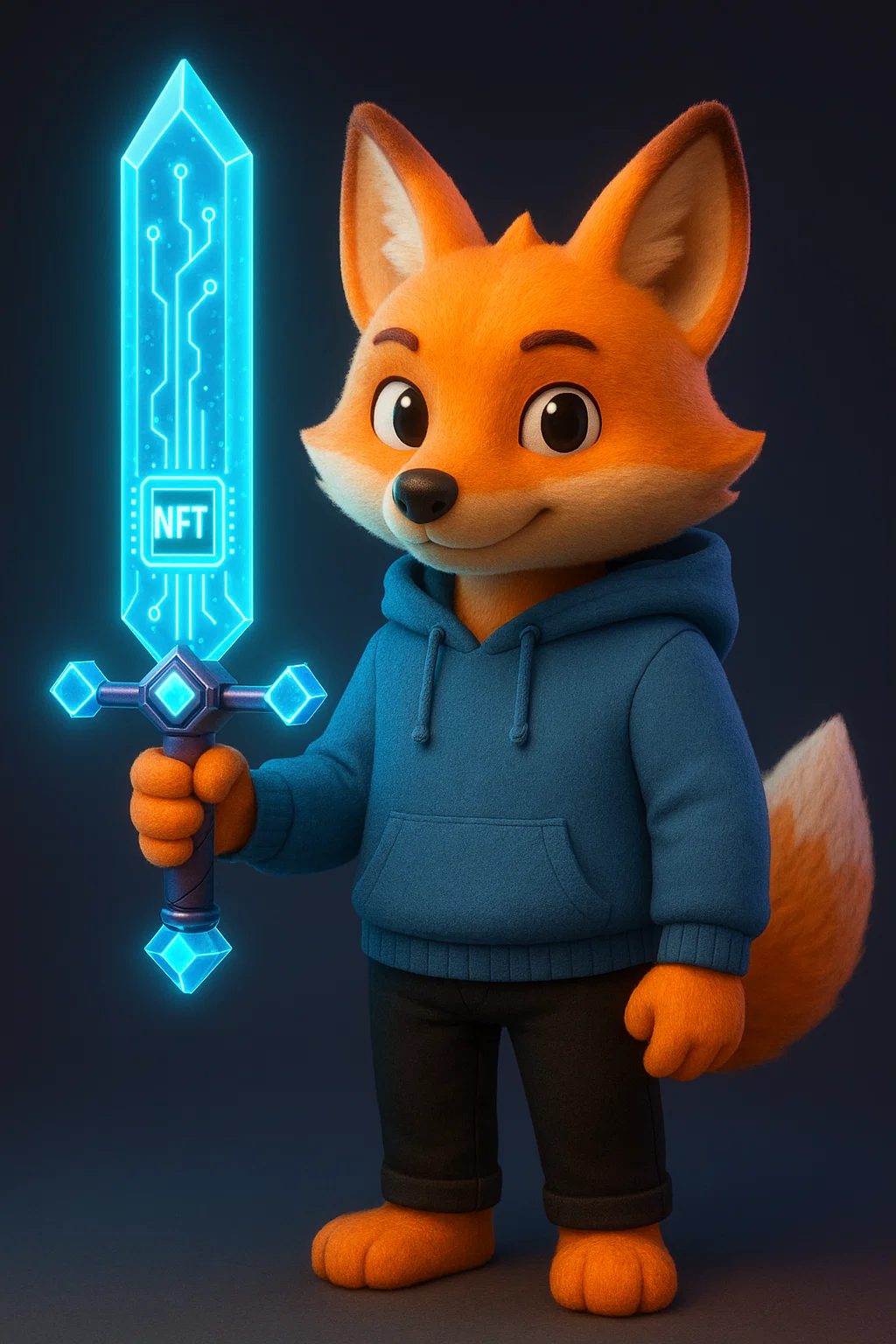
Play-To-Own is an innovative blockchain gaming model that empowers players with real ownership of digital assets. Unlike traditional games or Play-to-Earn (P2E) systems that reward players with volatile tokens, Play-To-Own focuses on the long-term value of in-game items by turning them into Non-Fungible Tokens (NFTs) stored in the player’s personal wallet.
This model removes the reliance on centralized servers. If a game shuts down, your assets—characters, skins, weapons, virtual lands—remain yours, safely stored on-chain and available for resale, trade, or use in other compatible ecosystems.
Why Play-To-Own Is a Game-Changer
True Digital Ownership
In traditional games, players rent access to digital items. With Play-To-Own, users own what they earn. These assets exist outside of the game on decentralized blockchains like Ethereum, Polygon, or Solana.
This means players can:
- Trade or sell their items on secondary markets.
- Use their NFTs in multiple games (if compatible).
- Maintain their items forever—even if the original game no longer exists.
Decentralized Control and Autonomy
Play-To-Own eliminates dependency on centralized platforms. Since assets are stored in crypto wallets, players have full autonomy. No bans, no server resets, no surprise losses—just permanent, verifiable ownership.
How Play-To-Own Works
NFTs and Smart Contracts
At the heart of Play-To-Own games are NFTs and smart contracts. Every item you collect in-game is minted as an NFT. These NFTs have metadata that describes their stats, rarity, and functionality.
Smart contracts handle:
- Ownership rights
- Asset transfers
- Royalties for creators
- In-game behaviors and limits
Each time an NFT is traded, a smart contract may send a royalty fee to the original developer—this creates sustainable game economies.
Wallet Integration
To play Play-To-Own games, players typically connect crypto wallets like MetaMask, WalletConnect, or Phantom. These wallets act as inventories, storing all player-owned NFTs and enabling real-time interactions with games.
The setup usually includes:
- Wallet connection on game launch
- Asset verification via blockchain
- Real-time syncing of NFT status (e.g., upgrades, wear)
The Benefits of Play-To-Own
Asset Interoperability
One of the standout features of Play-To-Own games is the potential for cross-game interoperability. A skin earned in one game might be usable in another. Projects like Ready Player Me and Web3 Game Alliance are working toward standardized, shared digital items.
Value Accumulation Over Time
Unlike traditional game items, NFTs in Play-To-Own environments can increase in value. Rarity, popularity, historical significance, and limited edition drops all affect an asset’s market price.
This opens new economic dimensions for players who:
- Collect rare items
- Flip high-demand NFTs
- Invest in early-stage game ecosystems
Community Governance
Some Play-To-Own projects allow users to shape game development via DAO (Decentralized Autonomous Organization) voting. This includes decisions on:
- Game updates and features
- Tokenomics adjustments
- Future development roadmaps
This participatory model strengthens loyalty and trust among player bases.
Strategies for Players in Play-To-Own Ecosystems
Choose Projects Carefully
Before investing time or money, players should:
- Research the development team
- Check for smart contract audits
- Evaluate the game’s user base and activity
- Join the Discord community to see if the project is alive
Evaluate Asset Utility
A major red flag is an asset with no real in-game use. Players should only acquire NFTs that:
- Are usable within gameplay
- Provide strategic advantages or cosmetic upgrades
- Can be traded or used cross-game
Secure Your Wallet
Losing access to your wallet = losing your assets. Always:
- Back up your seed phrase securely
- Use hardware wallets for high-value items
- Never click suspicious links or sign unknown transactions
What Developers Need to Know
Design for Utility, Not Hype
A major pitfall is building NFTs that look cool but offer no gameplay value. Play-To-Own thrives when assets are:
- Integral to game mechanics
- Earnable through skill, effort, or exploration
- Upgradeable or stakeable
Create Balanced Scarcity
Too many assets lead to oversupply. Too few create bottlenecks. Developers must:
- Control mint rates
- Offer time-limited or event-based drops
- Use rarity tiers to create demand
Build Easy Onboarding Flows
Reduce friction with:
- Simple wallet setup tutorials
- Credit card or fiat payment options
- Low or zero gas fees via Layer 2 solutions like Immutable X or Polygon
Challenges of the Play-To-Own Model
Technical Barriers
Many users are unfamiliar with crypto wallets, gas fees, or blockchain terminology. Games must educate users with clear UI/UX and beginner-friendly experiences.
Over-Speculation
Some players buy NFTs purely to resell them, not to use them in-game. This speculative behavior inflates prices and can damage the economy. Developers should:
- Emphasize gameplay
- Discourage pure flipping
- Reward long-term engagement
Regulatory Risks
Play-To-Own assets may be seen as securities in some countries. Developers should consult legal advisors and:
- Avoid promising profits
- Focus on utility-based value
- Disclose terms transparently
Limited Interoperability
True cross-game item usage is still rare. While the dream of the open metaverse is growing, most assets today remain siloed. Standardization efforts are ongoing, but wide-scale adoption is slow.
The Future of Play-To-Own
AAA Studios Are Entering the Scene
Major companies like Ubisoft, Epic Games, and Square Enix are exploring blockchain gaming. Their adoption will bring:
- Higher production quality
- Mainstream credibility
- Scalable infrastructure
New Interoperability Standards
Emerging protocols like ERC-6551 and token-bound accounts allow smarter, more portable NFTs. These standards will drive Play-To-Own expansion.
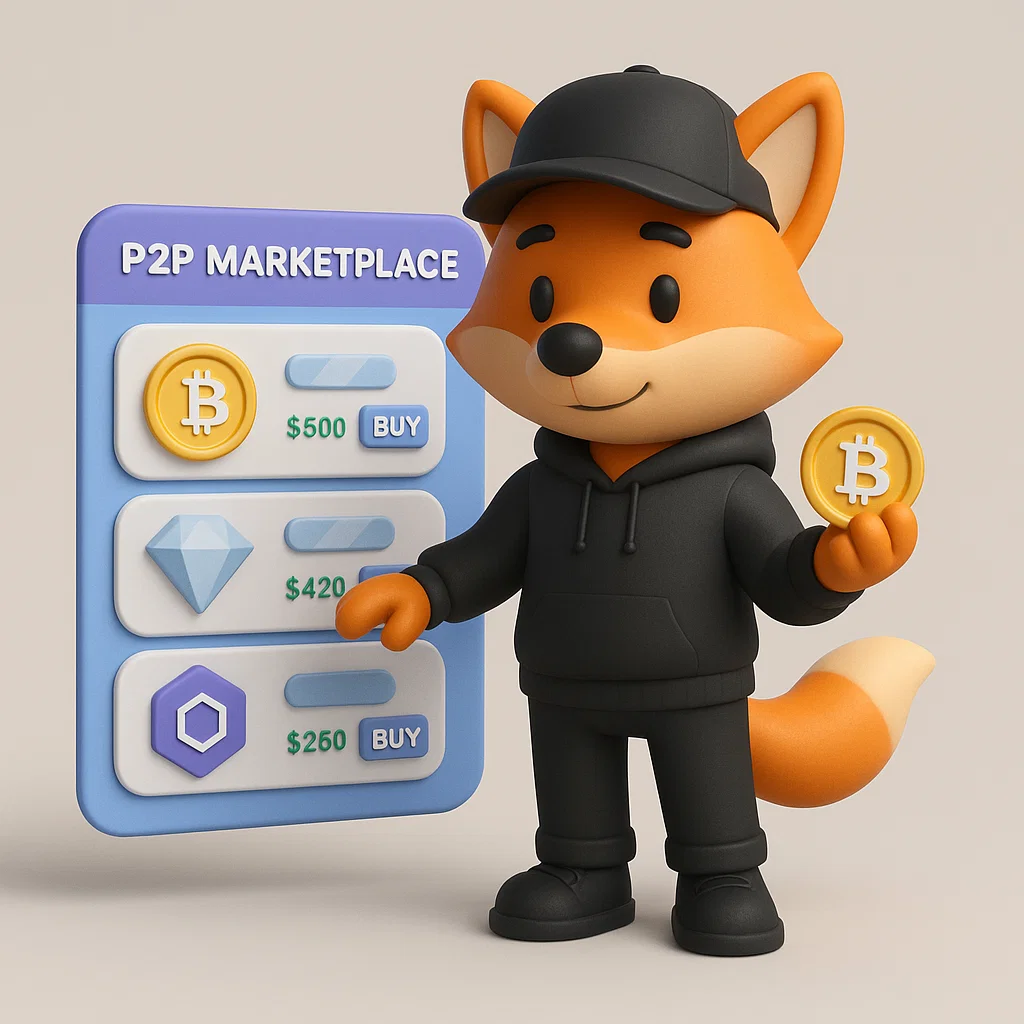
Evolution of Game Marketplaces
Expect better in-game marketplaces with:
- Escrow protection
- Verified listings
- Player ratings
- Price analytics
These tools will create safe, fair economies where players can buy, sell, and trade with confidence.
Frequently Asked Questions
What makes Play-To-Own different from Play-to-Earn?
Play-To-Earn rewards players with fungible tokens, often linked to inflationary economies. Play-To-Own focuses on non-fungible assets—items with real ownership, value, and gameplay utility.
Can I start without crypto?
Some games let you start with email signups and offer crypto-free tutorials. But full access usually requires a wallet and basic crypto knowledge.
What if I lose my NFT?
If you lose your private key or get hacked, the NFT is gone. Play-To-Own puts asset custody in your hands. Use best security practices.
Are all Play-To-Own games safe?
Not all are trustworthy. Avoid projects with anonymous teams, no audits, or inflated promises. Stick with games that have active communities, clear roadmaps, and real gameplay.
Final Thoughts
Play-To-Own is more than a trend—it’s a paradigm shift in how we engage with virtual economies. It gives players real power: the ability to truly own, use, and profit from the digital items they earn. This model enhances gaming with permanence, value, and freedom.
While challenges exist—technical onboarding, speculative bubbles, and regulation—the long-term benefits far outweigh the risks. With stronger infrastructure, growing standards, and AAA participation, Play-To-Own is poised to redefine the next generation of games.
Start exploring the most promising Play-To-Own titles. Look for those with active communities, functional marketplaces, and assets that serve real in-game purposes. Because in the world of blockchain gaming, the smartest players are not just playing—they’re owning.
Can I trade my P2O assets across different games?
Yes, if supported. While not universal yet, interoperability standards like ERC‑6551 and gaming consortia are developing shared registries to enable multiverse asset compatibility.
Is owning P2O assets profitable?
Possibly—but not guaranteed. Profit depends on asset utility, rarity, and secondary market demand. Treat them as collectibles and don’t invest more than you’re willing to risk.
What happens if the game shuts down?
Your NFTs remain yours. The game’s mechanics may become unavailable—but ownership doesn’t vanish, and assets can be held or transferred on-chain.
“Guess what? When you click and buy via our links, you’re not just enhancing your experience—you‘re also supporting our content creation for free, so we can keep sharing useful blockchain insights. It‘s a pump for both of us!”
-Edo