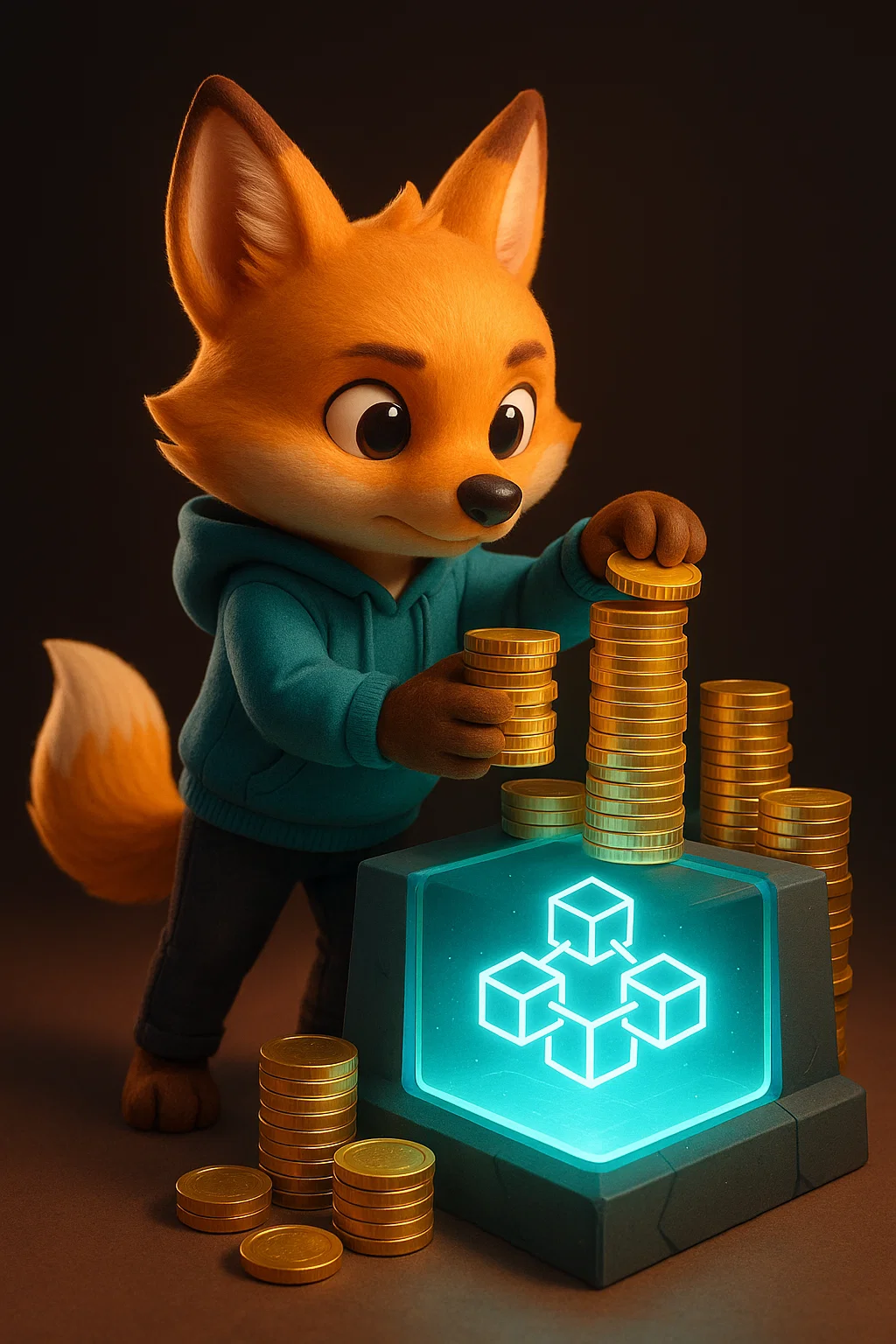


Cryptocurrency trading has become one of the most exciting investment opportunities of the digital age. With the potential for high returns and the allure of decentralized finance, it’s no wonder that millions of people are diving into the world of crypto trading. To help navigate this complex landscape, here are the top 10 tips for crypto trading beginners. However, the volatile and complex nature of the crypto market can be daunting for newcomers.
If you’re a beginner, it’s essential to approach crypto trading with caution and preparation. By understanding the basics and following practical advice, you can navigate the market more confidently and make informed decisions. In this blog, I’ll share the top 10 tips for beginners looking to succeed in cryptocurrency trading.
Tip 1: Start with a Solid Understanding of Cryptocurrency
Before you start trading, it’s crucial to build a strong foundation in cryptocurrency and blockchain technology. Without this knowledge, it’s easy to get overwhelmed by market jargon and make costly mistakes.
Learn the Basics
Cryptocurrencies operate on blockchain technology, a decentralized ledger that records transactions transparently and securely. Understanding how blockchain works will help you grasp why cryptocurrencies like Bitcoin and Ethereum have value.
Bitcoin, the first cryptocurrency, is often compared to digital gold due to its limited supply and store-of-value properties. Ethereum, on the other hand, powers decentralized applications and smart contracts, making it the backbone of many crypto projects.
Research Popular Cryptocurrencies
Start by learning about well-established cryptocurrencies like Bitcoin (BTC), Ethereum (ETH), and Binance Coin (BNB). These assets are generally more stable and less risky compared to newer, less-known tokens.
Useful Resources
Leverage resources like online courses, YouTube tutorials, and cryptocurrency forums. Websites like Investopedia and CoinDesk offer beginner-friendly content to help you get started. The more you know, the better equipped you’ll be to trade responsibly.
Tip 2: Choose a Reputable Exchange
The first step in trading cryptocurrency is selecting a reliable exchange. The exchange you choose will be your gateway to the crypto market, so it’s important to pick one that aligns with your needs and priorities.
Factors to Consider
- Security Measures: Look for exchanges with robust security features, such as two-factor authentication (2FA), cold storage, and insurance against hacks.
- User Interface: As a beginner, you’ll want an exchange with a simple, intuitive platform. A user-friendly interface makes it easier to place trades and manage your portfolio.
- Trading Fees: Be aware of the fees charged by exchanges for trading, deposits, and withdrawals. These can vary widely and impact your profitability.
- Supported Currencies: Ensure the exchange supports the cryptocurrencies you’re interested in trading.
Beginner-Friendly Exchanges
Platforms like ByBit, Binance, and Kraken are excellent choices for beginners. They offer easy-to-navigate interfaces, educational resources, and strong security protocols. Coinbase, for instance, is known for its simplicity and focus on new traders.
Ps: also read my Bybit review 2025.
Tip 3: Start Small and Manage Risk
Cryptocurrency trading is highly volatile, and prices can change dramatically in minutes. As a beginner, it’s essential to approach the market cautiously and avoid overcommitting your funds.
Invest Only What You Can Afford to Lose
Never invest money you can’t afford to lose. The crypto market is unpredictable, and there’s always a risk of losing your investment. Start with a small amount to familiarize yourself with trading dynamics.
Diversify Your Portfolio
Don’t put all your eggs in one basket. Diversify your investments across different cryptocurrencies to spread risk. For example, you might allocate a portion of your funds to Bitcoin, Ethereum, and a few promising altcoins.
Use Stop-Loss Orders
Stop-loss orders are an effective risk management tool. They automatically sell your assets when the price reaches a predetermined level, protecting you from significant losses during market downturns.
Tip 4: Create a Trading Plan
A trading plan is your roadmap to success in the crypto market. Without a clear strategy, you’re more likely to make impulsive decisions driven by emotions rather than logic.
Components of a Trading Plan
- Goals: Define what you hope to achieve with crypto trading. Are you looking for short-term gains or long-term investments?
- Entry and Exit Points: Determine when to buy and sell based on your research and market analysis.
- Risk Tolerance: Assess how much risk you’re willing to take and set limits accordingly.
- Time Horizon: Decide how much time you can dedicate to trading and whether you prefer day trading or holding assets long-term.
Stick to Your Plan
Once you’ve created a trading plan, follow it consistently. Avoid making decisions based on market hype or fear of missing out (FOMO). A disciplined approach will help you stay focused and achieve your goals.
Tip 5: Learn to Read Charts and Analyze Markets
Understanding how to read charts and analyze market trends is a fundamental skill for successful trading. While it may seem intimidating at first, learning the basics of technical and fundamental analysis will give you an edge.
Technical Analysis Basics
- Candlestick Charts: These charts display price movements over time and can indicate trends and potential reversals.
- Indicators: Tools like Moving Averages (MA) and Relative Strength Index (RSI) help identify market momentum and potential entry or exit points.
- Support and Resistance Levels: Recognizing these levels can guide your trading decisions by showing where prices are likely to reverse or break out.
Fundamental Analysis
Beyond charts, fundamental analysis involves evaluating a cryptocurrency’s underlying value. Research the project’s team, roadmap, and adoption rate to make informed decisions.
Tip 6: Keep Emotions in Check
Emotional trading is one of the biggest pitfalls for beginners. Fear, greed, and panic can cloud your judgment and lead to impulsive decisions.
Avoiding FOMO and Panic Selling
- FOMO: Fear of Missing Out can push you to buy at peak prices. Stay disciplined and avoid chasing trends without proper research.
- Panic Selling: During market dips, it’s tempting to sell out of fear. Remember that volatility is part of the crypto market, and hasty decisions can lock in losses.
Maintaining Discipline
- Take breaks if you feel overwhelmed.
- Stick to your trading plan.
- Set realistic expectations and remind yourself that losses are part of the learning process.
I personally had a bad trading experience in 2021 that resulted in me losing $8,000 due to fomo trading.
Tip 7: Stay Informed About Market Trends
The cryptocurrency market is constantly evolving, and staying updated is essential for making informed decisions.
Reputable News Sources
Follow platforms like CoinDesk, CryptoSlate, and CoinTelegraph for reliable news and market insights. Use tools like CoinMarketCap and CryptoPanic to track market movements and sentiment.
Importance of Networking
Engage with crypto communities on Reddit, Twitter, and Discord (also visit our big discord crypto community and meet new friends!). Experienced traders often share valuable insights and updates about market trends.
Tip 8: Understand Fees and Taxes
Trading fees and taxes can significantly impact your profits if not managed carefully.
Trading Fees
Exchanges charge fees for transactions, withdrawals, and deposits. Familiarize yourself with these costs and incorporate them into your trading plan.
Tax Obligations
Cryptocurrency gains are taxable in many countries. Keep detailed records of all transactions to ensure compliance with local tax laws and avoid penalties.
Tip 9: Use Demo Accounts or Paper Trading
If you’re new to trading, practice using demo accounts or paper trading platforms. These tools allow you to experiment with strategies and learn without risking real money.
Benefits
- Build confidence in your trading skills.
- Test strategies in a risk-free environment.
- Gain experience with market dynamics.
Platforms like ByBit and TradingView offer paper trading options tailored to beginners.
Tip 10: Prioritize Security
Security should always be a top priority in cryptocurrency trading. Protecting your assets requires vigilance and the use of best practices.
Key Security Measures
- Hardware Wallets: Store long-term holdings in hardware wallets like Ledger or Trezor for maximum security.
- Two-Factor Authentication (2FA): Enable 2FA on all exchange accounts to add an extra layer of protection.
- Beware of Scams: Avoid clicking on suspicious links, and never share your private keys or recovery phrases.
Conclusion
Cryptocurrency trading can be a rewarding venture, but it requires preparation, discipline, and ongoing learning. By following these 10 tips from understanding the basics and choosing the right exchange to managing risk and prioritizing security you can set yourself up for success.
Start small, stay informed, and remember that patience is key. With time and experience, you’ll develop the skills and confidence needed to thrive in the crypto market.
FAQs
What is the best cryptocurrency for beginners to trade?
Bitcoin and Ethereum are great starting points due to their stability and widespread adoption.
How much money should I start with in crypto trading?
It’s recommended to start with an amount you can afford to lose, typically a few hundred dollars, to minimize risk while learning.
Are there risks associated with using crypto exchanges?
Yes, risks include hacking, fraud, and exchange shutdowns. Use reputable exchanges with strong security measures and store long-term holdings in hardware wallets.
How do I avoid scams in the crypto trading space?
Stay vigilant by avoiding unsolicited messages, verifying URLs, and researching projects thoroughly before investing.
What are the most useful tools for tracking market trends?
Popular tools include CoinMarketCap, CryptoPanic, TradingView, and apps like Blockfolio for monitoring prices and trends in real-time.
“Guess what? When you click and buy through our links, you’re doing more than improving your journey. You’re supporting us in a way that doesn’t cost you extra but helps us keep bringing you the best blockchain posts. It’s a pump for both of us!”
-0xteumessia