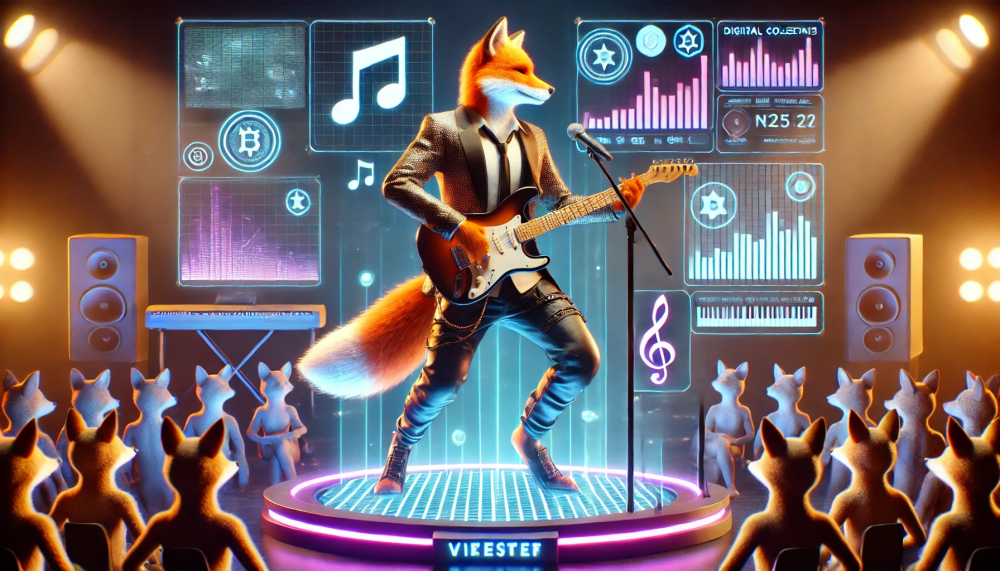
The music industry has always been a space of creativity and passion, but it’s not without its challenges. From issues with copyright management to unfair revenue distribution, artists often find themselves at a disadvantage in a system that heavily favors intermediaries like record labels and streaming platforms. For years, these challenges have left creators searching for better ways to take control of their work and earnings. One significant development in this area is how blockchain is impacting the music industry.
Enter blockchain technology. Known for its decentralized and transparent nature, blockchain has the potential to address many of the music industry’s long-standing problems. By providing solutions that promote fairness, transparency, and direct engagement between artists and fans, blockchain is transforming how music is created, distributed, and consumed.
In this blog, I’ll dive into how blockchain is reshaping the music industry, explore real-world applications, and examine its benefits and limitations.
Key Challenges in the Traditional Music Industry
Royalty Distribution
One of the biggest pain points for musicians is the opaque process of royalty distribution. Often, artists receive only a fraction of the revenue generated by their work, with a significant portion going to intermediaries like record labels and streaming services. The lack of transparency in tracking royalties exacerbates this problem, leaving artists in the dark about their earnings.
Also read about the royalty in Nfts systems in blockchain.
Copyright Management
Copyright management is another critical issue. Tracking ownership rights and ensuring proper licensing can be complicated, especially in an era where digital music is easily replicated and shared. Disputes over ownership are common, and resolving them can be time-consuming and costly.
Intermediary Dependence
In the traditional music industry, intermediaries such as record labels and distributors play a major role in connecting artists with their audiences. While they provide essential services, they often take a large share of the revenue, leaving creators with limited earnings.
Piracy
Unauthorized use and distribution of music remain pervasive. Despite efforts to curb piracy, digital music files are still vulnerable to copying and illegal sharing, which hurts artists and stakeholders.
Blockchain Solutions to Music Industry Challenges
Smart Contracts for Revenue Sharing
Blockchain introduces smart contracts self-executing contracts with terms written into code as a solution for fairer royalty distribution. With smart contracts, payments are automatically distributed among artists, producers, and other stakeholders based on pre-agreed terms. This ensures transparency and eliminates the need for intermediaries to manage revenue sharing.
Copyright and Ownership Tracking
Blockchain’s immutable ledger provides a reliable way to record and verify ownership rights. Each piece of music can have its details such as the creator, licensing terms, and ownership stored securely on the blockchain. This makes it easier to track copyrights and resolve disputes.
Direct-to-Consumer Platforms
Blockchain enables artists to connect directly with their fans through decentralized platforms. These platforms allow musicians to sell music, merchandise, and tickets without relying on traditional distributors. Fans can even invest in their favorite artists by purchasing tokenized shares of their work.
Combating Piracy
Blockchain’s transparency and traceability make it a powerful tool for combating piracy. By assigning a unique identifier to each piece of music, blockchain ensures that only authorized transactions are valid. This helps protect artists’ work from unauthorized distribution.
Real-World Examples of Blockchain in Music
Audius
Audius is a decentralized music streaming platform that allows artists to share and monetize their music directly with fans. By removing intermediaries, Audius ensures that creators retain a larger share of their revenue.
Opus
Opus leverages blockchain technology to provide transparent royalty tracking. The platform’s decentralized structure ensures that artists are paid fairly for their work without the need for traditional intermediaries.
Royal
Royal enables fans to invest in music by purchasing tokenized royalties. This innovative approach allows listeners to share in the financial success of their favorite tracks while supporting artists directly.
Vezt
Vezt uses blockchain to facilitate the buying and selling of music rights. Artists can tokenize their royalties and sell a portion to fans or investors, creating a new revenue stream.
Benefits of Blockchain in the Music Industry
Fairer Revenue Distribution
Blockchain ensures that artists receive a larger share of the revenue generated by their work. By removing intermediaries, creators can enjoy a fairer compensation model.
Enhanced Transparency
With blockchain, all transactions are recorded on an immutable ledger. This transparency fosters trust among artists, fans, and industry stakeholders, as everyone can verify how royalties and earnings are distributed.
Global Access
Blockchain-powered platforms enable artists to reach global audiences without relying on traditional gatekeepers. This democratizes access to the music market and creates opportunities for emerging talent.
Community and Fan Engagement
Blockchain fosters stronger connections between artists and their fans. Through tokenized assets, fans can support their favorite musicians directly, participate in decision-making processes, or even earn royalties.
Challenges and Limitations of Blockchain in Music
Adoption Barriers
Despite its potential, blockchain technology can be challenging to understand and adopt. Many artists and industry professionals may lack the technical knowledge needed to integrate blockchain into their workflows.
Scalability Issues
Blockchain networks often face scalability challenges, particularly during periods of high activity. Transaction bottlenecks and high fees can limit the technology’s effectiveness in handling large-scale music distribution.
Legal and Regulatory Concerns
The decentralized nature of blockchain raises questions about copyright enforcement and regulatory compliance. Laws vary by region, and navigating these complexities can be difficult.
Market Volatility
The value of cryptocurrencies tied to blockchain platforms can fluctuate significantly, creating uncertainty for artists and investors relying on these assets.
Take Control of Your Digital Assets
Just as blockchain is transforming the music industry, it’s also revolutionizing digital asset security. If you’re serious about protecting your cryptocurrency holdings, a Ledger hardware wallet is a must-have. Ledger ensures your digital assets remain secure, safe from hacks, and under your full control. Get yours today through my exclusive link: Get Your Ledger Now.
Maximize Your Crypto Trading Rewards
If you’re into crypto trading, Bybit offers a feature-rich platform with competitive fees, leverage options, and an intuitive interface. Signing up with my referral link gives you up to $30,050 in Welcome Rewards, including a $50 sign-up bonus and VIP trading perks. Plus, you’ll receive an exclusive “Supporter” role in my Discord server! Start trading smarter and claim your rewards now: Join Bybit Today.
Conclusion
Blockchain technology is reshaping the music industry by addressing its long-standing challenges and creating new opportunities for artists and fans alike. With innovations like smart contracts, decentralized platforms, and tamper-proof ownership records, blockchain is paving the way for a fairer, more transparent, and artist-centric ecosystem.
While challenges remain, the potential of blockchain to revolutionize the music industry is undeniable. By embracing these solutions, artists can take greater control of their work, and fans can play a more active role in supporting their favorite creators. The future of music is here, and blockchain is at the forefront of this exciting transformation.
FAQs
How does blockchain benefit independent artists?
Blockchain allows independent artists to bypass traditional intermediaries, ensuring they receive a larger share of their earnings. It also provides tools for direct fan engagement and revenue sharing.
What role do NFTs play in blockchain and music?
NFTs enable artists to tokenize their work, creating unique digital assets that can be bought, sold, or traded. This opens up new revenue streams and fosters deeper fan connections.
Are there risks to implementing blockchain in the music industry?
Yes, challenges such as adoption barriers, scalability issues, and legal complexities must be addressed for blockchain to reach its full potential in the music industry.
Can blockchain completely solve piracy issues?
While blockchain can reduce piracy by creating tamper-proof ownership records, it cannot entirely eliminate unauthorized distribution. Continued innovation and enforcement are needed.
What platforms should artists explore to integrate blockchain technology?
Platforms like Audius, Royal, and Vezt offer artists tools to leverage blockchain for distribution, revenue sharing, and fan engagement.
“Guess what? When you click and buy through our links, you’re doing more than improving your journey. You’re supporting us in a way that doesn’t cost you extra but helps us keep bringing you the best blockchain posts. It’s a pump for both of us!”
-0xteumessia