
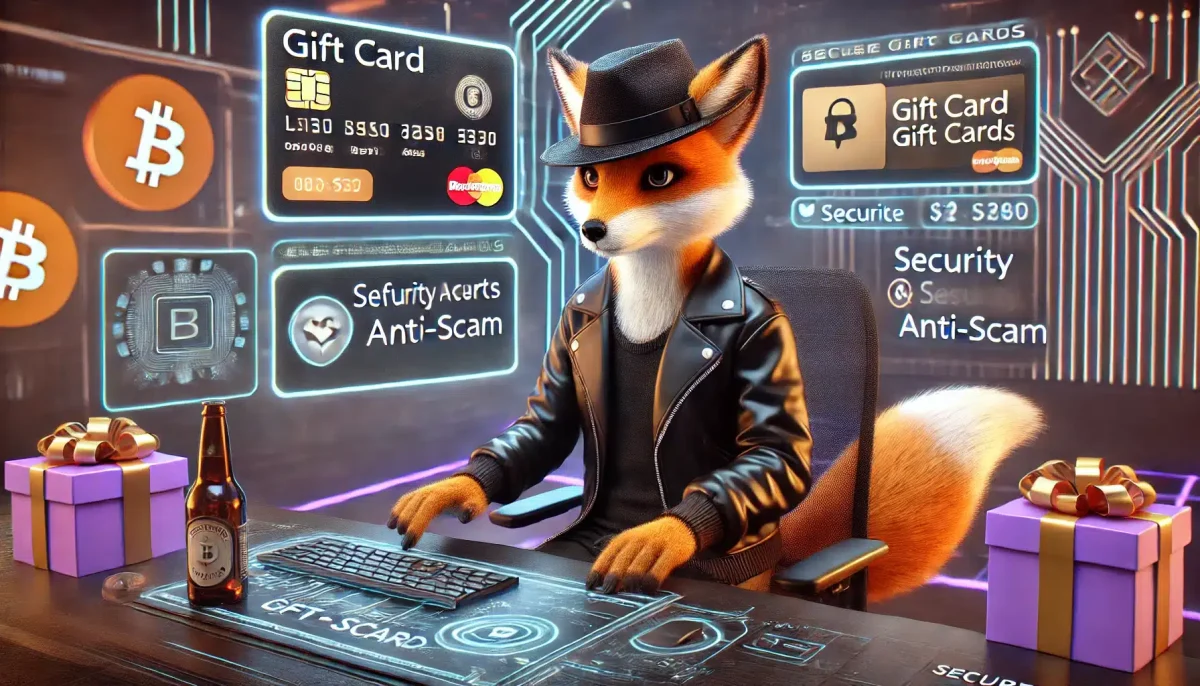

Exchanging cryptocurrency for gift cards has become a popular way to convert digital assets into tangible spending power. Whether you’re looking to buy something online or give a thoughtful gift, gift cards offer a flexible and convenient solution. However, as with any financial transaction in the crypto space, there are risks involved and scammers are always on the lookout for unsuspecting victims. Knowing how to avoid scams when exchanging crypto to gift cards can help protect you from potential fraud.
In this blog, I’ll walk you through the potential pitfalls of crypto-to-gift card exchanges and provide actionable tips to keep your transactions secure. By the end, you’ll be equipped to navigate this space with confidence and avoid falling victim to common scams.
Why Exchange Crypto for Gift Cards?
Cryptocurrency offers unmatched convenience and flexibility, but there are situations where converting it to gift cards makes perfect sense. Here are a few reasons why this trend has gained popularity:
Convenience
Gift cards are widely accepted across various retailers, making them an easy way to spend your crypto without converting it into fiat currency. From groceries to streaming subscriptions, gift cards unlock a world of spending options.
ps: If you have never exchanged crypto for gift cards, I recommend you read my complete guide on how to exchange cryptocurrencies for gift cards.
Flexibility
With gift cards, you can:
-
- Shop at popular stores like Amazon or Walmart.
- Pay for services such as Netflix or Spotify.
- Gift friends and family with prepaid cards they can use anywhere.
Popular Platforms
Several platforms now make it easy to exchange crypto for gift cards. Some of the most trusted names in the space include:
-
- Bitrefill: Offers a wide range of gift cards and mobile top-ups.
- Paxful: A peer-to-peer marketplace with a gift card option.
- eGifter: Allows you to purchase gift cards using Bitcoin and other cryptocurrencies.
These platforms simplify the process and offer added security, but it’s important to stay vigilant.
Common Scams in Crypto-to-Gift Card Transactions
Despite the convenience, exchanging crypto for gift cards comes with its share of risks. Scammers exploit the anonymity and irreversibility of crypto transactions. Here are the most common scams to watch out for:
Fake Platforms
Fraudulent websites mimic legitimate platforms to deceive users.
-
- How They Operate: Scammers create websites with similar names, designs, and features as trusted platforms.
- Red Flags:
-
- URLs with slight misspellings.
- Poor grammar and typos on the site.
- No HTTPS encryption or SSL certificate.
Peer-to-Peer (P2P) Scams
P2P exchanges can be risky if you’re dealing with unverified buyers or sellers.
-
- Common Tactics:
-
- Fake promises of instant delivery.
- Disappearing after receiving payment.
- Risks: Without an escrow service, there’s no guarantee you’ll receive your gift card.
-
- How They Target You:
-
- Links redirect you to fake websites designed to steal your login credentials.
- Emails request sensitive information like wallet keys.
Inflated Exchange Rates
Scammers lure users with unrealistically high exchange rates to trick them into making a transaction.
-
- How to Spot It:
-
- Compare rates on multiple platforms to identify discrepancies.
- Avoid platforms that guarantee deals that seem too good to be true.
Non-Delivery of Gift Cards
Some transactions result in payment being sent but no gift card delivery.
-
- Why It Happens:
-
- Scammers rely on the irreversible nature of crypto transactions.
- Lack of guarantees or refund policies on shady platforms.
Tips for Safely Exchanging Crypto to Gift Cards
-
- 1. Use Reputable Platforms
The first step to avoiding scams is to stick with platforms that have a solid reputation. Established platforms have built trust through consistent service and transparent operations.
How to Verify Platform Reputation:
Look for user reviews and testimonials on trusted forums like Reddit and BitcoinTalk
Check if the platform is recommended by reputable crypto websites
Verify the platform’s operating history and track record
Look for proper licensing and regulatory compliance
Examples of Trusted Platforms:
Bitrefill: Leading crypto-to-gift card service with excellent reputation
Paxful: P2P marketplace with escrow protection
eGifter: Established gift card platform accepting crypto
Warning Signs to Avoid:
New platforms with no established history
Platforms with predominantly negative reviews
Services that refuse to provide company information
-
- 2. Verify Platform Security
Before making any transaction, ensure the platform’s website implements proper security measures. A secure platform protects both your personal information and financial data.
Essential Security Checks:
HTTPS Encryption: The URL should start with ‘https://’ and display a padlock icon
SSL Certificates: Click the padlock to verify valid SSL certification
Two-Factor Authentication: Platform should offer 2FA for account protection
Privacy Policy: Clear data handling and privacy protection policies
Additional Security Indicators:
Professional website design and functionality
Clear contact information and customer support
Transparent terms of service and fee structure
Regular security updates and maintenance
Red Flags to Watch For:
No HTTPS encryption or SSL certificate
Poor website design with broken links
No clear contact information or support channels
Requests for unnecessary personal information
-
- 3. Use Escrow Services for P2P Transactions
While peer-to-peer platforms offer flexibility and often better rates, direct transactions without protection can be extremely risky. Always use escrow services when available.
How Escrow Services Work:
Your cryptocurrency is held securely by a third party
Funds are only released when both parties fulfill their obligations
Disputes can be resolved through the escrow service
Protection against non-delivery and fraud
Platforms with Reliable Escrow:
Paxful – Comprehensive escrow protection
LocalBitcoins – Established escrow system
Bisq – Decentralized escrow mechanism
Seller Verification Tips:
Check seller’s rating and feedback history
Look for verified accounts with ID confirmation
Prefer sellers with high transaction volumes
Read recent reviews and comments from other buyers
Never Do Direct Transfers:
Avoid sending crypto directly to unknown parties
Don’t trust promises of ‘instant delivery’
Refuse transactions outside the platform’s protection
-
- 4. Recognize and Avoid Unrealistic Offers
Scammers often lure victims with offers that seem too good to be true. Learning to identify and avoid these traps is crucial for safe crypto-to-gift card exchanges.
Common Unrealistic Offer Red Flags:
Exchange rates significantly above market value
Guaranteed profits or ‘risk-free’ transactions
Pressure to act quickly with ‘limited time’ offers
Promises of instant delivery without verification
How to Verify Fair Market Rates:
Compare rates across multiple legitimate platforms
Check current cryptocurrency prices on CoinMarketCap or CoinGecko
Understand that legitimate services charge reasonable fees (typically 2-5%)
Be suspicious of rates that are 10%+ above market value
Research Before Committing:
Take time to research the platform and offer
Don’t rush into transactions due to artificial urgency
Ask questions and expect clear, professional responses
Trust your instincts if something feels wrong
Remember: Legitimate businesses operate transparently with fair pricing. If an offer seems too good to be true, it almost certainly is a scam.
-
- 5. Protect Your Private Information
Your wallet credentials and personal information are your most valuable assets. Protecting them is essential for safe crypto transactions and preventing identity theft.
Essential Security Practices:
Never Share Private Keys: Your private keys should never be shared with anyone, ever
Enable 2FA: Use Google Authenticator or hardware tokens for two-factor authentication
Strong Passwords: Use unique, complex passwords for each platform
Secure Email: Use a dedicated email address for crypto transactions
Information to Keep Private:
Wallet addresses and private keys
Transaction amounts and frequency
Personal identification documents
Banking and financial information
Safe Information Sharing:
Only provide information required for KYC compliance
Verify the legitimacy of information requests
Use secure, encrypted communication channels
Keep records of what information you’ve shared and where
Warning Signs of Information Phishing:
Unsolicited requests for sensitive information
Urgent demands for immediate information sharing
Requests for information not relevant to the transaction
Communication from unofficial or suspicious email addresses
-
- 6. Start with Small Test Transactions
When using a new platform or service, always start with small test transactions to verify reliability and legitimacy before committing larger amounts.
Benefits of Test Transactions:
Verify the platform actually delivers gift cards as promised
Test the customer support responsiveness and quality
Understand the actual processing times
Minimize potential losses if something goes wrong
Recommended Test Transaction Approach:
Start with the minimum transaction amount allowed
Choose a popular gift card type (Amazon, Google Play, etc.)
Document the entire process with screenshots
Test the gift card immediately upon receipt
What to Evaluate During Testing:
Transaction processing speed and efficiency
Gift card validity and full value delivery
Customer service response time and helpfulness
Overall user experience and platform reliability
Gradual Scaling Strategy:
After successful small transactions, gradually increase amounts
Build trust over multiple successful transactions
Never risk more than you can afford to lose
Maintain records of all transactions for reference
Pro Tip: Even with established platforms, test transactions help you understand their specific processes and identify any potential issues before making larger exchanges.
- 6. Start with Small Test Transactions
- 5. Protect Your Private Information
- 4. Recognize and Avoid Unrealistic Offers
- 3. Use Escrow Services for P2P Transactions
- 2. Verify Platform Security
- 1. Use Reputable Platforms
Verify Platform Security
Before making a transaction, ensure the platform’s website is secure.
-
- Check for HTTPS: The URL should start with “https” and display a padlock icon.
- Look for SSL Certificates: These provide encryption for data shared on the site.
- Read Reviews: User experiences often reveal red flags.
Avoid Direct P2P Transactions
While P2P platforms offer flexibility, direct transactions without an escrow service can be risky.
-
- Use Escrow Services: These hold the crypto until both parties fulfill their obligations.
- Verify Seller Profiles: Look for verified accounts with high ratings and positive feedback.
Be Wary of Unrealistic Offers
If something sounds too good to be true, it probably is.
-
- Spotting Scams:
-
- Compare rates across multiple platforms.
- Avoid platforms offering inflated rates or guaranteed profits.
Protect Your Private Information
Your wallet credentials and personal details are your first line of defense.
-
- Best Practices:
-
- Never share your private keys.
- Enable two-factor authentication (2FA).
- Use strong, unique passwords.
Test with Small Transactions
If you’re unsure about a platform’s reliability, start small.
-
- Why It Matters: A small test transaction can help you assess the platform’s credibility without risking large amounts.
Tools and Resources to Enhance Safety
To further protect yourself, leverage these tools and resources:
-
- Escrow Services: Paxful and LocalBitcoins offer reliable escrow options.
- Transaction Trackers: Use blockchain explorers to verify the status of your transactions.
- Phishing Detection Apps: Extensions like MetaMask and browser security tools can identify fake websites.
What to Do if You Suspect a Scam
If you fall victim to a scam, take immediate action:
-
- Report to the Platform: Contact the support team of the platform you used.
- File a Complaint: Report the scam to local authorities or cybercrime units.
- Warn Others: Share your experience in online forums to prevent others from falling for the same scam.
Secure Your Crypto for Safe Transactions
One of the most effective ways to protect your crypto assets during transactions is to use a Ledger hardware wallet. By keeping your assets offline, you eliminate the risk of phishing attacks and platform breaches. Plus, with Ledger, you retain full control over your private keys.
Secure your crypto investments today with a Ledger wallet here and make sure your digital assets are safe from potential scams.
Unlock Exclusive Bybit Rewards
If you’re looking to maximize your crypto experience while staying safe, Bybit offers up to $30,050 in Welcome Rewards, including a $50 sign-up bonus and VIP trading perks. Plus, by using my referral link, you’ll get an exclusive “Supporter” role in my Discord server, where you can access valuable crypto insights and strategies.
Sign up for Bybit now through this link here and start reaping the rewards today!
Conclusion
Exchanging crypto for gift cards can be a convenient and rewarding experience when done safely. By understanding the risks and following best practices, you can protect yourself from scams and enjoy the benefits of crypto-to-gift card transactions.
Always prioritize security, stick with reputable platforms, and remain vigilant for red flags. With these precautions, you can confidently navigate the world of crypto-to-gift card exchanges and make the most of your digital assets.
FAQs
What are the safest platforms for exchanging crypto to gift cards?
Trusted platforms like Bitrefill, CryptoRefill, and CoinGate offer secure and reliable services.
How can I verify the legitimacy of a platform?
Look for HTTPS encryption, SSL certificates, and positive user reviews on trusted forums.
What should I do if my gift card isn’t delivered after a transaction?
Contact the platform’s support team and provide transaction details. If unresolved, report the issue to relevant authorities.
Are P2P exchanges safe for crypto-to-gift card transactions?
P2P exchanges can be safe if you use escrow services and verify the buyer or seller’s credibility.
How can I recognize and avoid phishing scams targeting crypto users?
Always double-check URLs, avoid clicking on suspicious links, and enable 2FA on all accounts.
“Guess what? When you click and buy through our links, you’re doing more than improving your journey. You’re supporting us in a way that doesn’t cost you extra but helps us keep bringing you the best blockchain posts. It’s a pump for both of us!”
-0xteumessia
-
- Best Practices:
-
- Spotting Scams:
-
- Why It Happens:
-
- How to Spot It:
-
- How They Target You:
Phishing Attacks
Scammers send fake emails or links that look like they’re from a trusted platform.
-
- Common Tactics:
-