When Social Media Meets DeFi: A New Internet Economy
Introduction: The Web3 Revolution
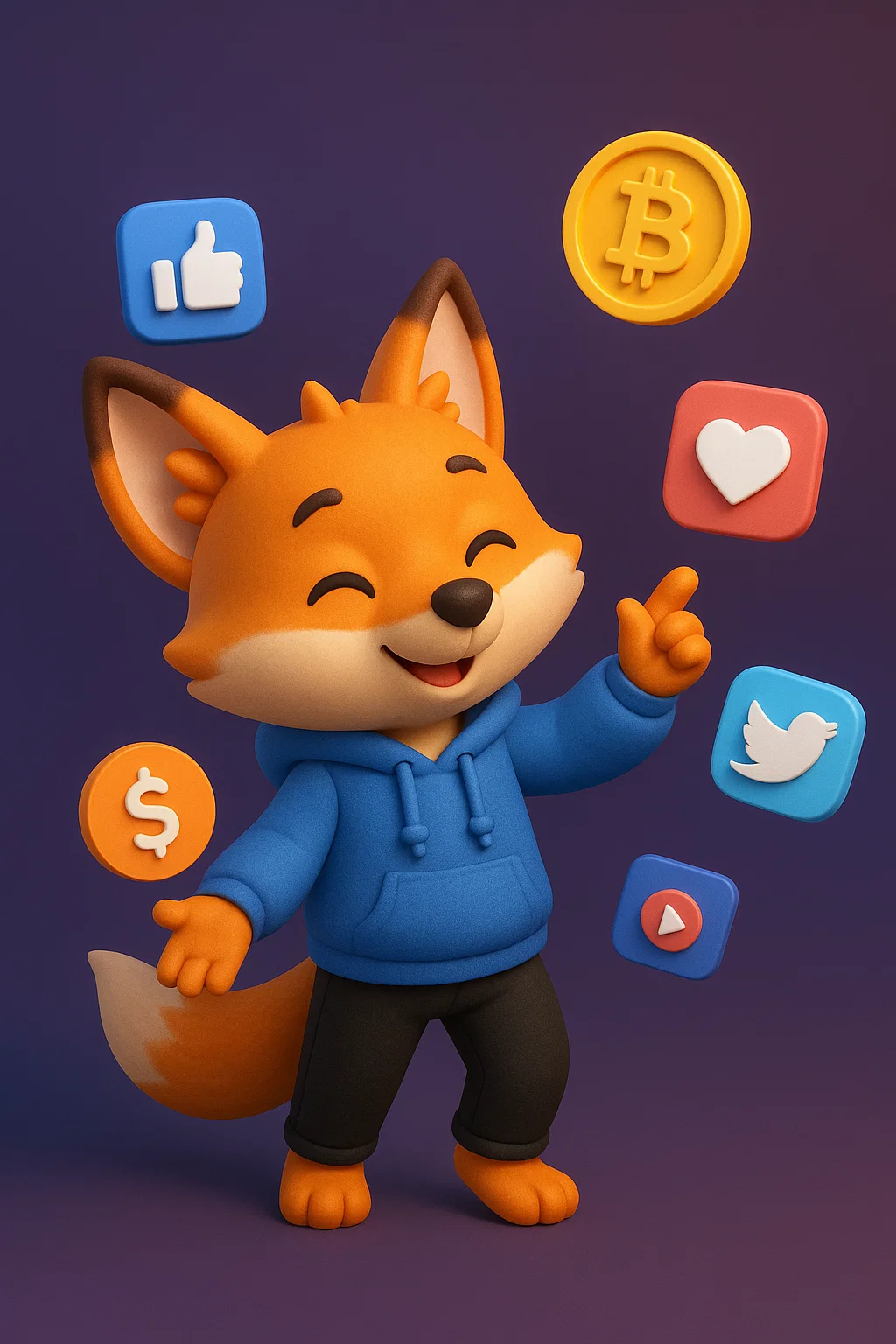
When Social Media Meets DeFi, the result is a powerful fusion of content, community, and capital. This convergence is transforming traditional social networks into decentralized economic hubs—platforms where users are no longer just passive consumers, but active stakeholders. With blockchain as the backbone, this paradigm known as Social DeFi or SocialFi—is reshaping how people interact, create, and earn online.
The Problem with Traditional Social Media
In the Web2 model, platforms like Instagram, TikTok, and YouTube thrive on user-generated content, but they retain almost all the profits. Users provide the value likes, shares, comments, videos but receive little or nothing in return. Creators are at the mercy of centralized algorithms, while users have no ownership or say in how platforms evolve.
This imbalance is what Social DeFi aims to fix. By introducing decentralized, transparent systems built on blockchain technology, it enables users and creators to own the value they produce.
What Happens When Social Media Meets DeFi
At its core, Social DeFi blends traditional social interactions with blockchain-based financial mechanisms. Imagine earning crypto tokens every time you like a post, sharing content to gain voting rights, or accessing exclusive content through NFTs.
This is the new model: a participatory economy where your engagement holds real financial weight.
“Ledger is the gold standard for hardware crypto wallets. Store your coins offline, safely.”
Blockchain Tools Powering Social DeFi
When Social Media Meets DeFi, several Web3 components become essential:
- Tokens: Used to reward users and power in-app economies.
- Smart Contracts: Automate transactions, subscriptions, or rewards.
- DAOs (Decentralized Autonomous Organizations): Allow communities to vote on platform changes or fund distributions.
- NFTs: Grant access, identity, ownership, and exclusivity.
These tools don’t just change how platforms are built they redefine how people interact with digital ecosystems.
Tokenized Engagement: A Game Changer
One of the most disruptive elements of Social DeFi is tokenized engagement. Instead of receiving a “like,” users can earn actual tokens for meaningful interactions like commenting, curating, or sharing valuable content.
These tokens aren’t just digital stickers; they’re often tradable on decentralized exchanges (DEXs) or usable to unlock governance rights or content perks.
This realignment of incentives creates higher-quality interactions and turns passive scrolling into an opportunity for active contribution.
Social Tokens: Creators Become Economies
For content creators, Social DeFi is a game changer. Instead of depending solely on ads or sponsorships, they can launch their own social tokens—crypto assets tied to their personal brand.
Fans who believe in a creator’s mission can buy tokens to:
- Access premium content
- Unlock early drops or releases
- Vote on future content
- Even share in the creator’s financial success
This transforms fans into collaborators, aligning incentives and deepening engagement.
DAOs: Community-Owned Networks
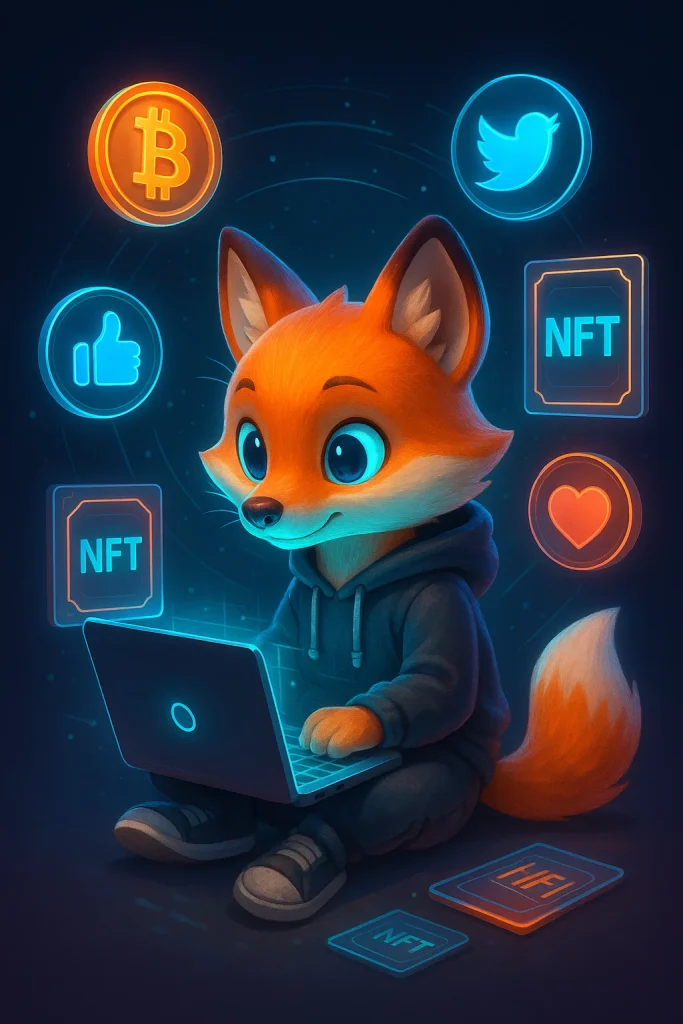
A key innovation when Social Media Meets DeFi is the rise of DAOs. These decentralized organizations give users real decision-making power.
For example:
- Communities can govern funds collectively
- Decide which creators to spotlight next
- Vote on moderation rules or platform updates
Instead of trusting opaque algorithms or centralized companies, users self-govern, creating stronger community ties and shared accountability.
“Want more crypto knowledge? Join our newsletter for weekly insights, free guides, and tools.”
NFTs: Utility, Access, and Identity
NFTs are no longer limited to digital art. In Social DeFi, they serve several crucial roles:
- Access Passes: Hold an NFT to enter private chats or exclusive livestreams
- Identity Tokens: Showcase roles within a community
- Reward Badges: Earn NFTs by contributing value to a DAO or creator ecosystem
When Social Media Meets DeFi, NFTs become infrastructure, enabling loyalty programs, digital identity, and community building.
Real-World Examples of Social DeFi Platforms
Here are some platforms pioneering this shift:
Mirror.xyz
A decentralized publishing tool where writers mint their posts as NFTs, enabling fans to stake ETH on their favorite ideas. It’s patronage meets DeFi.
Showtime
An NFT-focused social network where collections are displayed like Instagram feeds. Users build personal brands and monetize social curation.
Friends With Benefits (FWB) DAO
A token-gated community for creators and builders. Members participate in governance, collaborations, and projects with shared upside.
Challenges of Social DeFi Adoption
As promising as it is, Social DeFi faces some hurdles:
- Complex onboarding: Wallets, private keys, and gas fees can confuse newcomers.
- Volatility: Social tokens and NFTs may fluctuate in value.
- Regulation: Lack of legal clarity around governance, token classification, and community operations.
- Moderation: Without centralized control, ensuring safety, inclusion, and content quality remains a challenge.
Solutions on the Horizon
To make sure Social Media Meets DeFi successfully, innovation must continue. And it is.
Improving UX and Onboarding
Platforms are experimenting with:
- Custodial wallets
- Social logins (Web2 meets Web3)
- On-ramp integrations for fiat payments
These solutions are bridging the gap for non-technical users.
Interoperability
Future tokens may work across ecosystems: from Discord DAOs to YouTube-style platforms, creating seamless experiences and transferable identities.
Hybrid Monetization Models
Creators are beginning to combine Web2 and Web3 revenue streams. Some popular models include:
- Token-gated newsletters + Patreon
- NFT access + brand sponsorships
- DAO voting + affiliate offers
This approach allows them to experiment safely while onboarding their community into Web3 at their own pace.
The Role of Regulation in Social DeFi
As more money flows into this ecosystem, regulatory scrutiny increases. Projects that:
- Conduct KYC verification
- Avoid promises of financial return
- Design tokens as utilities, not securities
…will be better positioned for long-term growth and compliance.
Protecting Your Assets in a Decentralized World
No matter how exciting this space becomes, security remains non-negotiable. If you’re earning, staking, or collecting in a Social DeFi world, store your assets safely.
Use a hardware wallet like Ledger to store your private keys offline and protect your digital identity from hacks or loss.
Why Now Is the Time to Join
If you’re a:
- Content creator
- Community builder
- Crypto-curious user
…then there’s no better time to start exploring Social DeFi. The tools are open-source. The communities are active. And the upside is massive.
Final Thoughts: The Future of Participation
When Social Media Meets DeFi, something profound happens:
- Value flows back to creators
- Communities own their futures
- Every action gains weight, purpose, and potential return
This is more than a passing trend. It’s a foundational shift in how we experience the internet. In this new world, your voice, time, and loyalty are finally worth something.
What is Social DeFi?
How can creators benefit?
Creators earn tokens when fans engage, vote with tokens on project direction, and monetize content through memberships and NFT drops.
Is this only for crypto-native users?
Not anymore—platforms are simplifying onboarding (e.g., credit card sign-up, self-custody wallets), so mainstream audiences can join.
Are there regulatory risks?
Yes—token rewards and governance could fall under securities regulation. Projects must clarify token utility and follow legal standards.
“Guess what? When you click and buy via our links, you’re not just enhancing your experience—you‘re also supporting our content creation for free, so we can keep sharing useful blockchain insights. It‘s a pump for both of us!”
-Edo