

A New Era of Financial Empowerment
In the last decade, cryptocurrencies and blockchain technology have rapidly evolved from niche assets into powerful tools for economic transformation. In particular, the way crypto impacts developing economies is emerging as one of the most significant financial revolutions of the 21st century. For billions of people across Africa, Asia, and Latin America, blockchain is no longer a speculative trend it’s a practical solution to deep-rooted economic challenges.
Understanding how Crypto Impacts Developing Economies is crucial for identifying the opportunities and risks shaping the next decade of global finance.
Financial Inclusion for the Unbanked
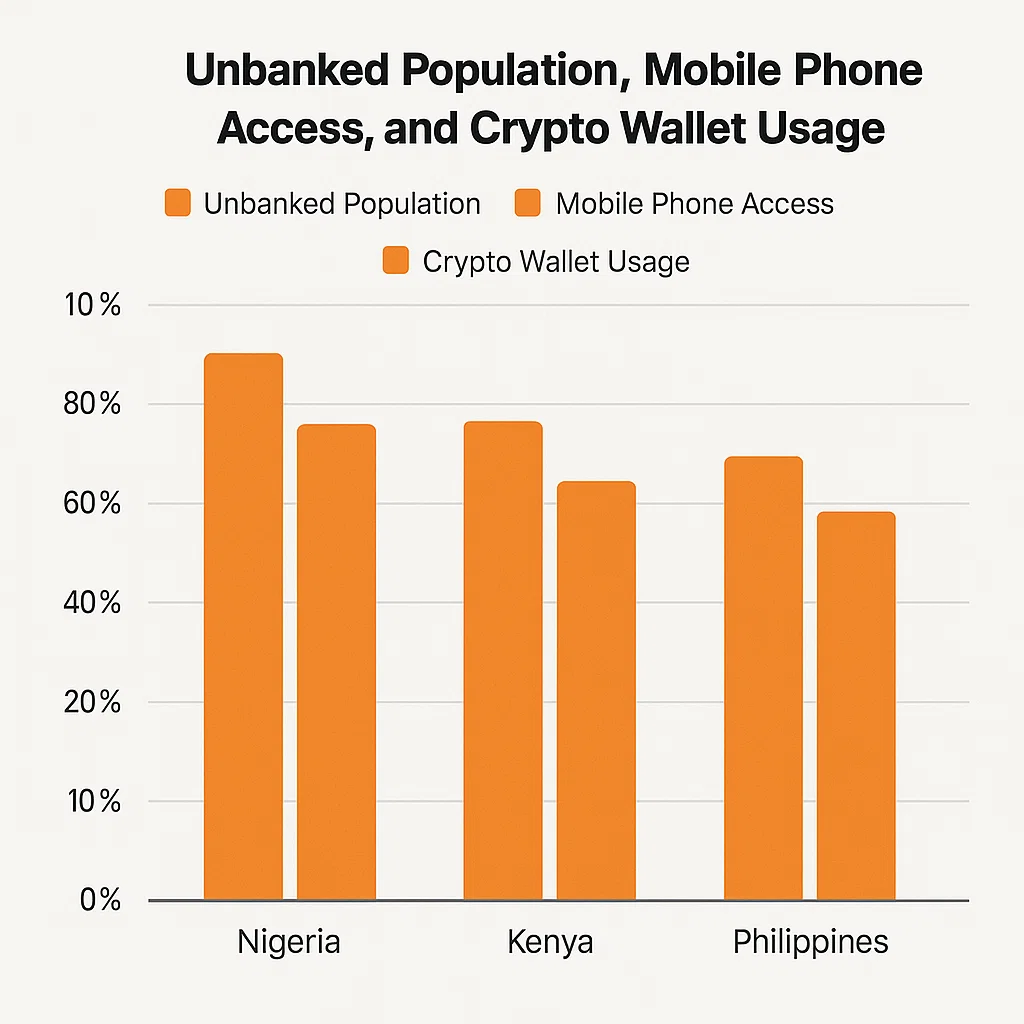
A major way in which crypto impacts developing economies is by enabling financial inclusion for the unbanked and underbanked. More than 1.7 billion people globally lack access to formal banking. In many regions, opening a bank account requires government identification, proof of address, and high fees barriers that exclude large segments of the population.
Cryptocurrency wallets remove these barriers. All that’s needed is a smartphone and an internet connection. Users can send, receive, and store value without traditional paperwork or gatekeepers. Many wallets also work offline or via SMS, helping users in rural or low-connectivity areas.
This inclusion drives grassroots economic growth. Farmers, street vendors, and gig workers can now store money securely, accept payments digitally, and even access lending services via decentralized finance (DeFi).
This is one of the clearest examples of how Crypto Impacts Developing Economies by opening financial doors previously locked to billions of people.
Ledger is the gold standard for hardware crypto wallets. Store your coins offline, safely.
Remittances Without Borders or Fees
Another powerful way crypto impacts developing economies is by improving remittance systems. Migrant workers send over $600 billion annually to families in their home countries. Yet, fees on traditional remittance services often exceed 7%, and transactions may take days.
With blockchain-based payments, transfers are nearly instantaneous and cost a fraction of traditional methods. Stablecoins like USDC or USDT ensure that value is preserved during the transfer, avoiding currency volatility. Peer-to-peer crypto exchanges make it easy to convert these assets into local currency at much better rates than banks or money transfer operators.
For example, a Filipino nurse working abroad can now send money home in minutes using a stablecoin wallet, avoiding high fees and delays. Families receiving these funds can instantly use them for essentials like food, school supplies, or medical bills.
Decentralized Access to Capital
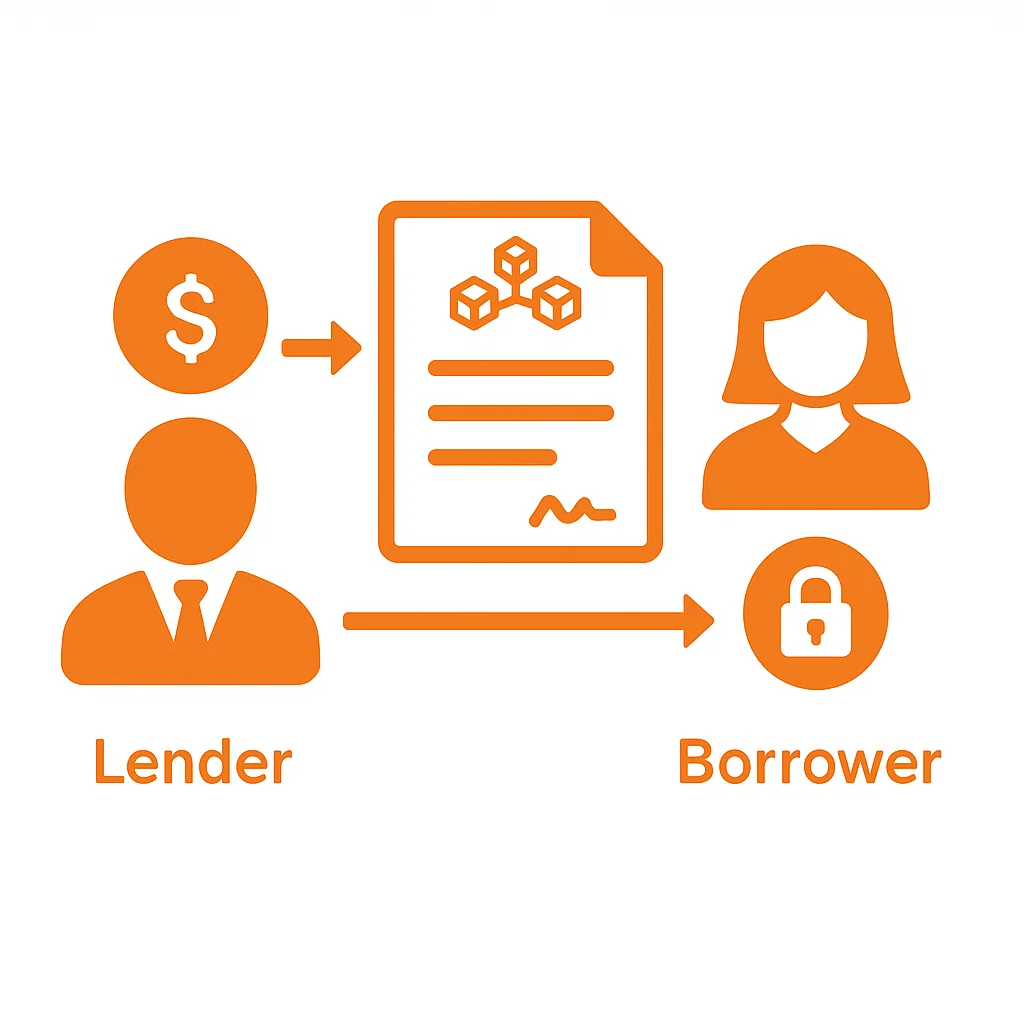
Traditional banks in developing countries often exclude borrowers due to lack of collateral or formal credit history. However, DeFi has emerged as a breakthrough alternative. Platforms like Aave, Compound, and Celo allow users to access microloans, earn interest, and participate in savings pools using only their crypto wallet.
With no middlemen, loans are facilitated via smart contracts transparent, automated agreements that don’t require trust in a third party. Borrowers can pledge digital assets as collateral or even participate in community-based lending circles powered by blockchain.
This innovation is unlocking access to capital for small business owners, tech freelancers, and agricultural cooperatives. For many, it means starting a business, upgrading tools, or riding out a financial emergency opportunities that traditional systems denied them.
Start trading crypto with Bybit – low fees, powerful tools, and a user-friendly experience for beginners and pros alike
By enabling microloans and decentralized saving systems, Crypto Impacts Developing Economies in ways that bypass traditional gatekeepers entirely.
Hedging Against Inflation and Currency Crisis
The crypto impacts developing economies most visibly in times of economic instability. In countries like Zimbabwe, Lebanon, and Venezuela, hyperinflation has rendered local currencies nearly worthless. Citizens can no longer depend on their national money to store value or buy goods.
Bitcoin, Ethereum, and especially stablecoins are increasingly used as hedges against inflation. People save in digital dollars, protecting themselves from currency collapse. They can access global markets, trade goods, or migrate funds abroad in times of political crisis.
In Venezuela, stablecoins are used to pay rent, buy groceries, and run small businesses. In Nigeria, youth-led protests sparked a massive surge in crypto usage as authorities restricted bank accounts. These real-world cases show how blockchain becomes a tool for survival not just investment.
Real-World Examples: Ground-Level Innovation
East Africa’s Crypto Commerce
In Kenya and Uganda, artisans, farmers, and service providers are using crypto wallets to sell goods across borders. By accepting USDC or DAI, they avoid costly conversion fees and slow international banking. Their profits are higher, and their market access is global.
Philippines: The Future of Remittances
The Philippines is among the top five countries for remittance reception. Workers overseas increasingly receive wages in stablecoins and convert them locally through P2P platforms like Paxful or Binance P2P. This gives them better control over exchange rates and eliminates middlemen.
Argentina: Escaping the Peso
Argentina’s recurring financial crises have led many citizens to adopt Bitcoin and USDT to escape inflation. Merchants, freelancers, and retirees use stablecoins for everyday expenses often more trusted than the national currency.
These stories illustrate how crypto impacts developing economies not in theory, but in daily survival and progress.
Want more crypto knowledge? Join our newsletter for weekly insights, free guides, and tools.
Infrastructure Barriers and Adoption Challenges
While the potential is vast, several challenges slow down adoption in emerging markets. First and foremost is internet access. Many rural areas lack reliable connectivity or electricity, which are essential for blockchain interaction. Although offline crypto tools exist, they’re still underdeveloped.
Tech literacy is another obstacle. Understanding private keys, wallet recovery, and avoiding scams requires education and community support. Many users fall victim to phishing attacks, rug pulls, or simply lose access to funds due to lack of knowledge.
Regulation is also a gray area. Some governments ban crypto entirely, while others fail to create clear policies. This uncertainty limits institutional involvement and increases risk for users.
To overcome these challenges, NGOs and blockchain startups are launching education campaigns, offline wallet solutions, and simple UX tools to guide new users. Long-term, these efforts will be crucial to achieving mass adoption.
Policy, Regulation, and National Strategy
Governments in the developing world face a dual challenge: protecting consumers while not stifling innovation. Proper regulation could ensure crypto supports development rather than undermining it.
Some nations are experimenting with Central Bank Digital Currencies (CBDCs) to modernize their monetary systems. Nigeria’s eNaira and the Bahamas’ Sand Dollar aim to combine the benefits of blockchain with regulatory oversight.
Others are using blockchain for land records, identity verification, and aid distribution, showing how government-led innovation can coexist with decentralized finance.
Yet, tax policy, AML enforcement, and regulatory clarity remain underdeveloped in many regions. Collaboration between regulators, builders, and civil society is needed to unlock the full potential of crypto for development.
The Future: From Transactions to Transformation
The future of how crypto impacts developing economies is not just about money it’s about digital sovereignty. With emerging technologies like Layer 2 scaling, AI-powered credit scoring, and green crypto mining, the next phase of adoption will touch every layer of the economy.
Layer 2 and Micropayments
Solutions like the Lightning Network enable low-cost, instant transactions. This makes it viable to pay for mobile data, digital content, or gig work in micro amounts perfect for regions with low income but high mobile usage.
AI and Credit Identity
Combining on-chain data with AI allows for decentralized credit scores. These tools could help lenders assess risk without relying on centralized banks, offering more people access to fair and customized financial services.
Green Crypto and Solar Mining
Crypto doesn’t have to be energy-intensive. In parts of Africa, solar-powered mining cooperatives are emerging. These projects provide communities with income, energy infrastructure, and new skills, proving that blockchain can align with sustainable development goals.
As renewable-powered crypto projects grow, we see how Crypto Impacts Developing Economies not just financially, but also in terms of energy independence and sustainability.
Final Thoughts: A Movement, Not a Moment
The reality is clear: Crypto impacts developing economies in profound ways. From remittance disruption to economic inclusion, from capital access to inflation hedging, blockchain is reshaping the financial landscape for billions.
But the road ahead requires collective action. Developers must build for low-resource environments. Governments must regulate wisely. Educators must reduce tech barriers. And global institutions must support crypto’s role in sustainable development.
If done right, this isn’t just a tech revolution it’s a humanitarian one. One where financial dignity, access, and freedom are available to everyone, no matter where they’re born.
What is the biggest benefit of crypto for developing economies?
The most significant benefit is financial inclusion. Cryptocurrencies allow unbanked individuals to access banking-like services using mobile wallets, without needing traditional bank accounts, identification documents, or proof of address.
Are there risks in using crypto in low-income countries?
Yes, several risks exist. These include high market volatility, poor infrastructure, limited digital literacy, and unclear regulatory environments. However, the use of stablecoins and targeted education initiatives can help mitigate these challenges.
How do stablecoins help in inflationary economies?
Stablecoins that are pegged to strong fiat currencies like the US dollar help preserve purchasing power. In inflationary environments, they allow people to store value more reliably and protect their savings from rapid currency devaluation.
Is DeFi really accessible to everyday users in developing regions?
Decentralized Finance (DeFi) is growing but not yet fully accessible to everyone in low-income regions. While it offers powerful tools like peer-to-peer lending and yield farming, barriers such as smartphone access, internet connectivity, and user education remain. Nonetheless, local NGOs and blockchain initiatives are working to close the gap.
How can governments regulate crypto without stifling innovation?
Governments should aim for balance. Clear rules on taxation, anti-money laundering (AML), and licensing can support adoption while maintaining safety. Programs like central bank digital currencies (CBDCs) and regulatory sandboxes allow authorities to explore innovation without taking unnecessary risks.
Guess what? When you click and buy via our links, you’re not just enhancing your experience you‘re also supporting our content creation for free, so we can keep sharing useful blockchain insights. It‘s a pump for both of us!
— Black