

What to Expect
As cryptocurrencies gain mainstream traction, the need for clear, forward-thinking crypto regulation has never been more urgent. Regulatory frameworks are no longer just a backdrop they’re becoming central to the blockchain industry’s evolution. In this article, we break down the future of crypto regulation, what global stakeholders can expect, and how it will shape the next era of digital finance.
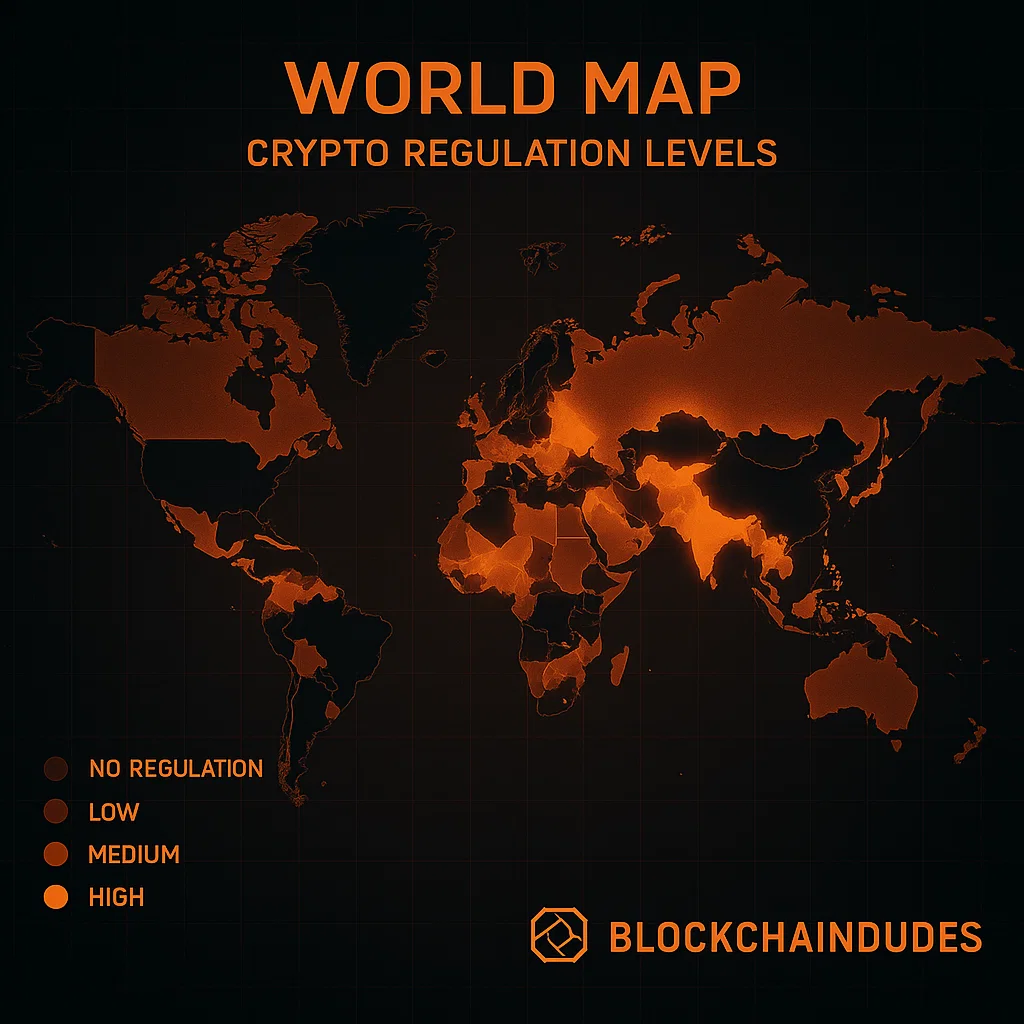
Global Convergence of Crypto Regulation
One of the most significant trends is the move toward unified, global crypto regulation. Currently, laws vary wildly by country what’s legal in Switzerland may be restricted in the U.S. or undefined in many regions.
Why convergence matters: For businesses and projects to scale internationally, consistency is key. Standardized frameworks on KYC, AML, and tax compliance would lower legal friction and make it easier to innovate across borders.
The GDPR model: Many experts argue that crypto needs a global blueprint similar to GDPR for data privacy. By adopting shared definitions and protections, regulators can build trust and efficiency without stifling innovation.
Clarifying Classifications: Security or Commodity?
A major regulatory challenge is defining what kind of asset a token is. Is it a security, a commodity, or something entirely new?
In the U.S., the SEC often uses the Howey Test to classify digital assets, but this framework is outdated and doesn’t apply neatly to decentralized projects like DeFi protocols or DAO tokens.
What’s next: We expect new legislation or regulatory guidance to introduce a third category for digital-native assets. This would bring clarity to projects and reduce the legal grey area that currently hampers growth.
Impact on developers: With better definitions, developers can launch with confidence, knowing what legal obligations apply from day one.
Regulating Stablecoins and DeFi
The decentralized finance ecosystem has grown rapidly, attracting regulators’ attention. Stablecoins, in particular, sit at the intersection of traditional finance and blockchain.
Stablecoin concerns: Tokens like USDC and USDT are under pressure to prove their reserve backing, redemption mechanisms, and systemic risk profiles.
DeFi protocols are also under scrutiny. Lending platforms, liquidity pools, and yield farms often operate without clear accountability, raising concerns around transparency, user protection, and financial stability.
Expected developments: Regulations will likely require proof-of-reserves, third-party audits, and emergency shut-off mechanisms. While this could slow some innovation, it will improve user trust in the long term.
Consumer Protection and Privacy in the Age of Web3
Ledger is the gold standard for hardware crypto wallets. Store your coins offline, safely. Using cold storage remains one of the most effective ways to safeguard your digital assets against third-party risks and security breaches.
Crypto regulation is beginning to prioritize user protection especially in light of rising scams, hacks, and misleading token sales.
Dispute resolution: Regulators may enforce rules for fund reimbursements, insured custodial services, and faster complaint resolution processes, similar to those in traditional banking.
Balancing privacy and compliance: On-chain privacy tools are under fire. Solutions may include tiered KYC systems that allow private transactions under certain limits but enforce transparency on larger ones.
What it means for users: Users may gain more protection but lose some anonymity. Striking the right balance will be critical for future adoption.
CBDCs and the New Role of Government in Crypto
Central Bank Digital Currencies (CBDCs) are rising as government-backed digital assets that could rival or integrate with existing crypto systems.
Global rollout: Countries like China, Sweden, and the EU are leading in development. These CBDCs aim to modernize payment systems and offer state control over digital money.
Impact on private crypto: Depending on design, CBDCs may compete with or complement stablecoins. Interoperability will determine whether they co-exist or cannibalize the crypto market.
Regulatory perspective: Governments will likely use CBDCs to influence the broader crypto regulation landscape shaping taxation, identity verification, and financial stability rules.
Taxation, Reporting, and Ledger Transparency
As crypto use grows, so does the attention of tax authorities.
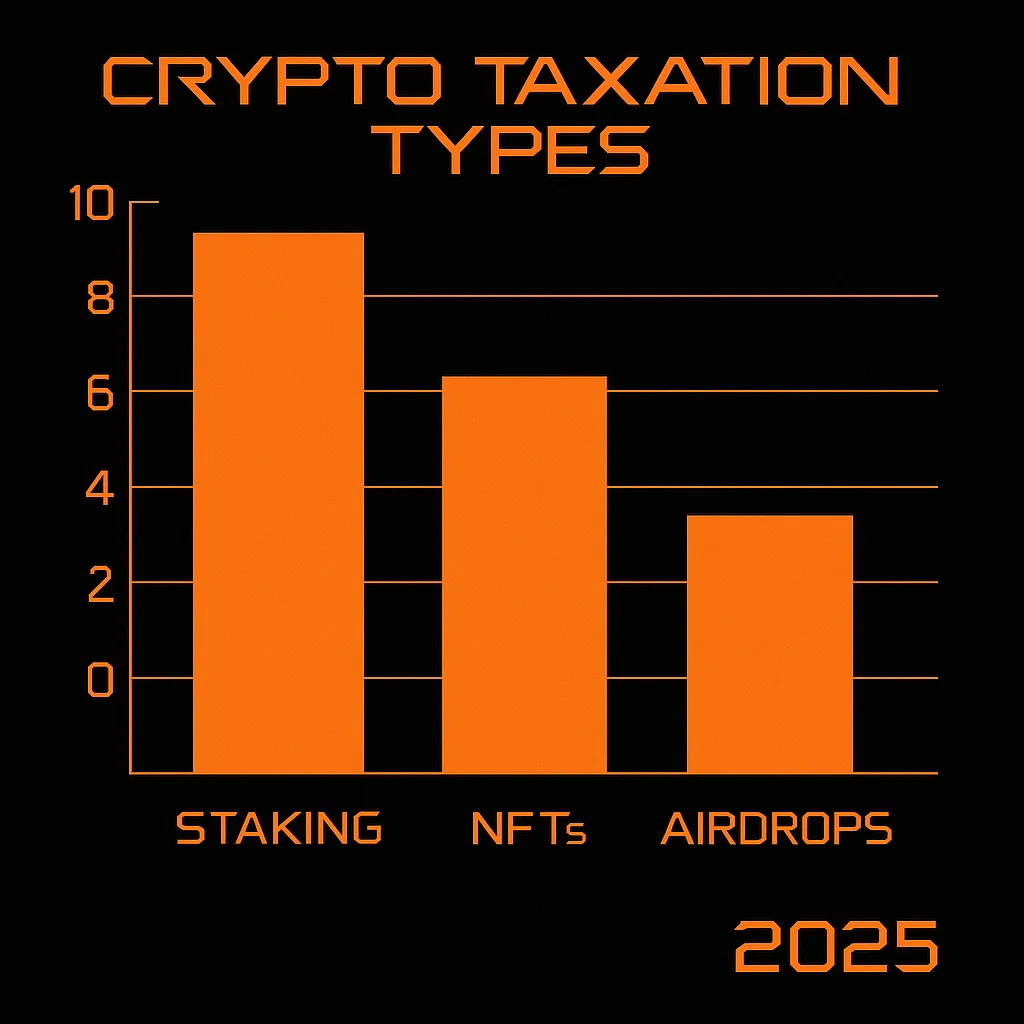
Unified tax treatment: Expect clearer global rules for capital gains, staking rewards, airdrops, and even NFT transactions. Governments want a piece of every taxable event on-chain.
Mandatory reporting: Like the U.S. 1099 forms, exchanges and wallets may soon be required to report user activity to tax agencies in real time.
Blockchain analytics partnerships: Governments are partnering with firms like Chainalysis to monitor wallet activity. This boosts compliance but raises questions about surveillance and privacy.
Tip for users: Keep track of your transactions now future rules may apply retroactively.
Institutional Involvement and Licensing Requirements
Institutional adoption depends on predictable and robust crypto regulation.
Licensing models: Jurisdictions like the EU, UAE, and Singapore are rolling out licensing frameworks for crypto exchanges, custodians, and asset managers. These licenses may include requirements for cybersecurity protocols, insurance, and capital reserves.
Cross-border passporting: New models like MiCA in the EU allow licensed entities to operate across all member states offering a smoother path for compliant expansion.
Long-term benefit: Regulation will enable the entry of pension funds, mutual funds, and large corporations unlocking billions in capital and trust.
ESG and Sustainability in Crypto
Regulators are increasingly factoring environmental, social, and governance (ESG) principles into crypto oversight.
Mining emissions: Proof-of-work networks face criticism for energy use. Projects may be required to report their carbon footprint or transition to eco-friendlier alternatives like proof-of-stake.
Governance and diversity: DAOs and protocols might face pressure to publish decision-making processes, token distribution data, and contributor diversity stats.
Outcome: Chains that align with ESG goals may receive more favorable treatment from regulators and investors, boosting their legitimacy.
AI, Web3, and Reg-Tech: The Tech Side of Regulation
As tech advances, so does regulatory sophistication.
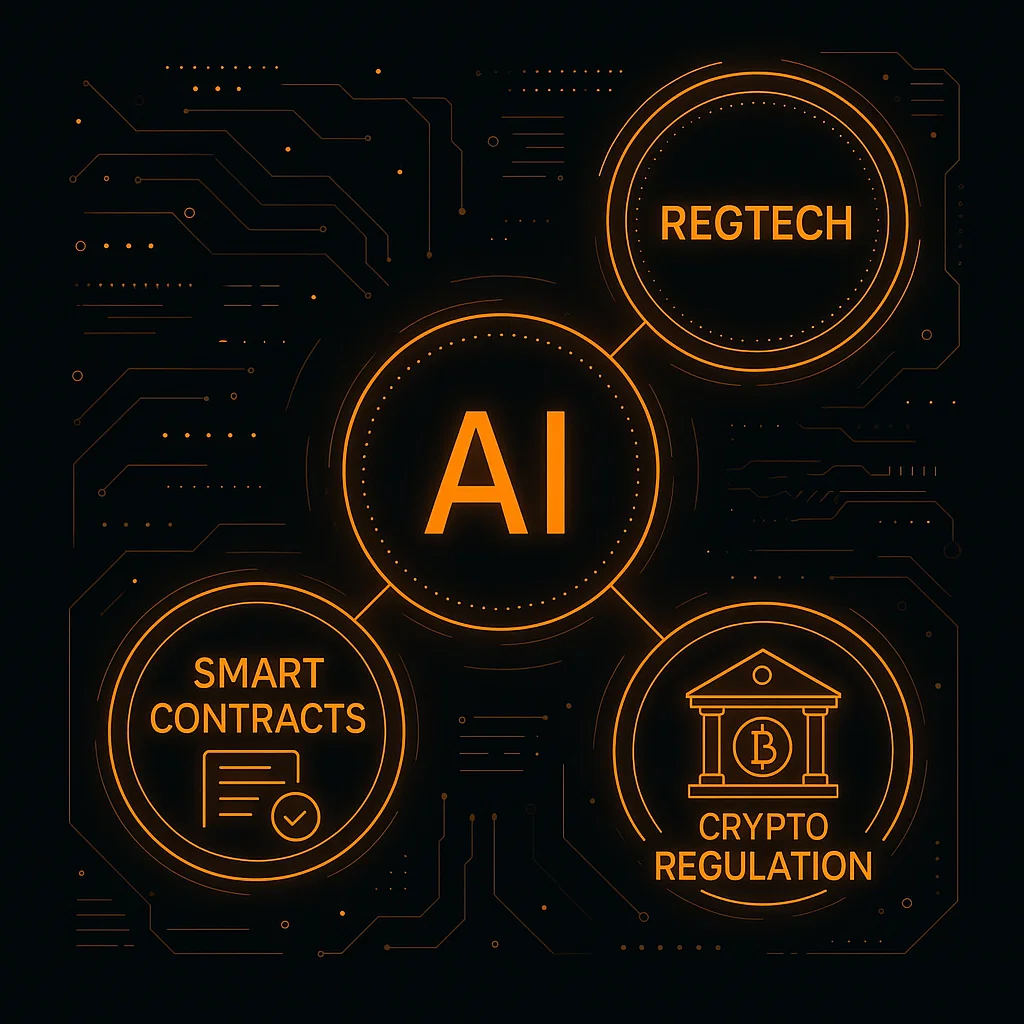
AI in enforcement: Tools are emerging to scan wallets, detect suspicious behavior, and even halt transactions automatically. This could reduce fraud dramatically but may introduce central points of failure.
Smart contract compliance: Future DeFi protocols might include regulatory conditions directly in code limiting access based on user type, geography, or compliance status.
The Reg-Tech link: Regulatory technology (Reg-Tech) startups will grow in importance, offering APIs and services that help crypto businesses stay compliant without sacrificing efficiency.
Who Benefits from Stronger Crypto Regulation?
Retail users: Gain more security, legal recourse, and access to verified platforms but may face more ID checks and limited anonymity.
Developers: With clear rules, teams can build without fear of surprise enforcement. Compliant products may gain faster adoption and institutional backing.
Governments: Get better tools for taxation, fraud prevention, and monetary control while still enabling innovation.
Businesses: Those who invest early in compliance will enjoy first-mover advantages and easier partnerships with banks and payment providers.
Privacy advocates: Will face challenges but also opportunities to push for smarter, more ethical regulation.
Final Thoughts
Crypto regulation is no longer a looming future it’s actively shaping the present. From stablecoin audits to CBDC rollouts, taxation rules to ESG reporting, every part of the crypto ecosystem is under review.
The goal for regulators should be clear: protect consumers and financial systems without crushing innovation. And for builders, investors, and users, the message is simple adapt early.
By staying informed and proactive, those in the crypto space can turn regulation into a competitive advantage positioning themselves for long-term success in an increasingly mature and integrated digital economy.
Want more crypto knowledge? Join our newsletter for weekly insights, free guides, and tools. Stay ahead of the curve as regulatory frameworks evolve and shape the future of the crypto space.
What is the most important upcoming crypto regulation?
The most critical near-term development is stablecoin legislation and DeFi oversight. Many regulators, such as the EU through MiCA and the U.S. through bipartisan bills, are prioritizing these areas due to their potential systemic impact.
Will global crypto regulation ever become fully unified?
Complete global uniformity is unlikely. However, regulatory convergence where major markets harmonize definitions, compliance standards, and licensing seems feasible within the next 3 to 5 years.
How will crypto taxation change?
Will privacy coins be banned?
Instead of outright bans, regulators are considering tiered access models. High-privacy assets might require enhanced KYC procedures and usage reporting, especially for high-value transactions.
How do CBDCs affect private crypto?
CBDCs could coexist with private cryptocurrencies by offering interoperable bridges. However, if central bank digital currencies lack interoperability or are rolled out with restrictive infrastructure, they may overshadow decentralized alternatives.
Guess what? When you click and buy via our links, you’re not just enhancing your experience you‘re also supporting our content creation for free, so we can keep sharing useful blockchain insights. It‘s a pump for both of us!
— Black