
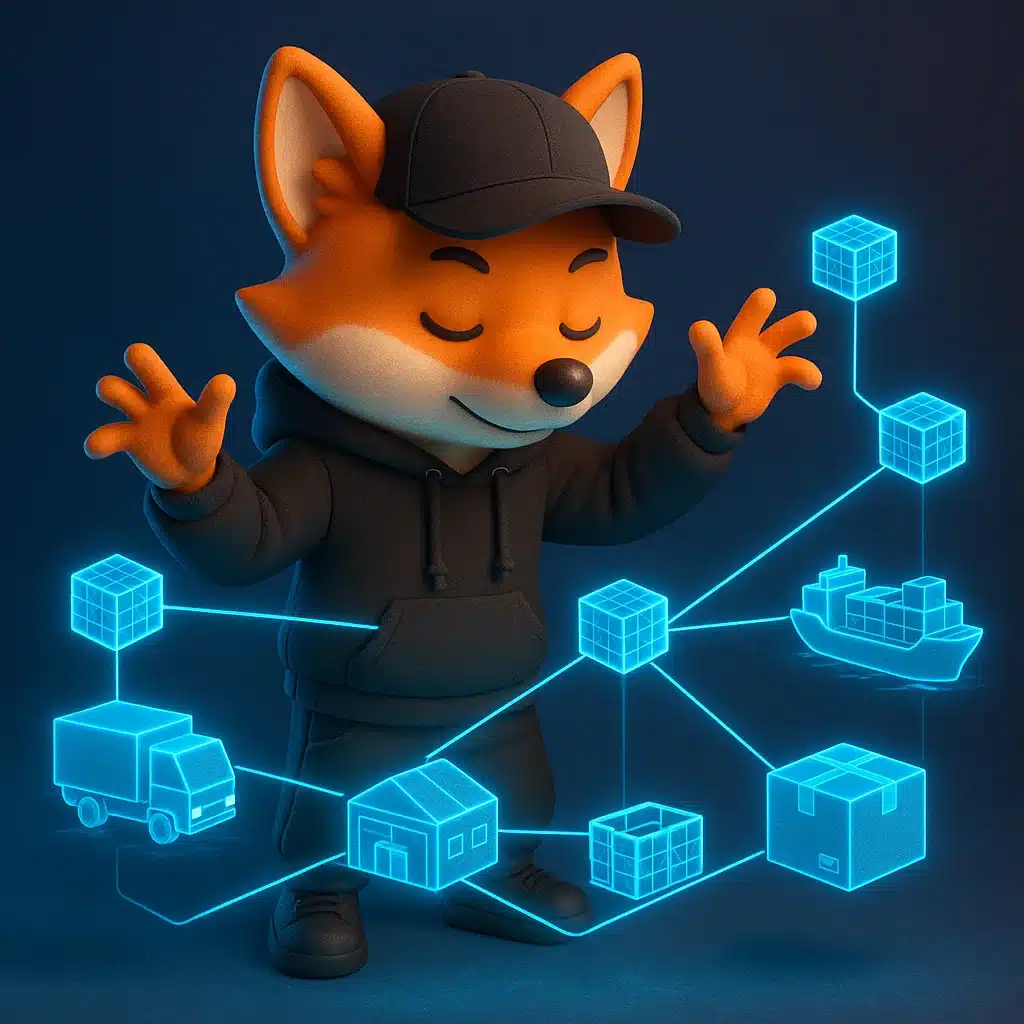
Understanding the Concept of Decentralized Autonomous Supply Chains
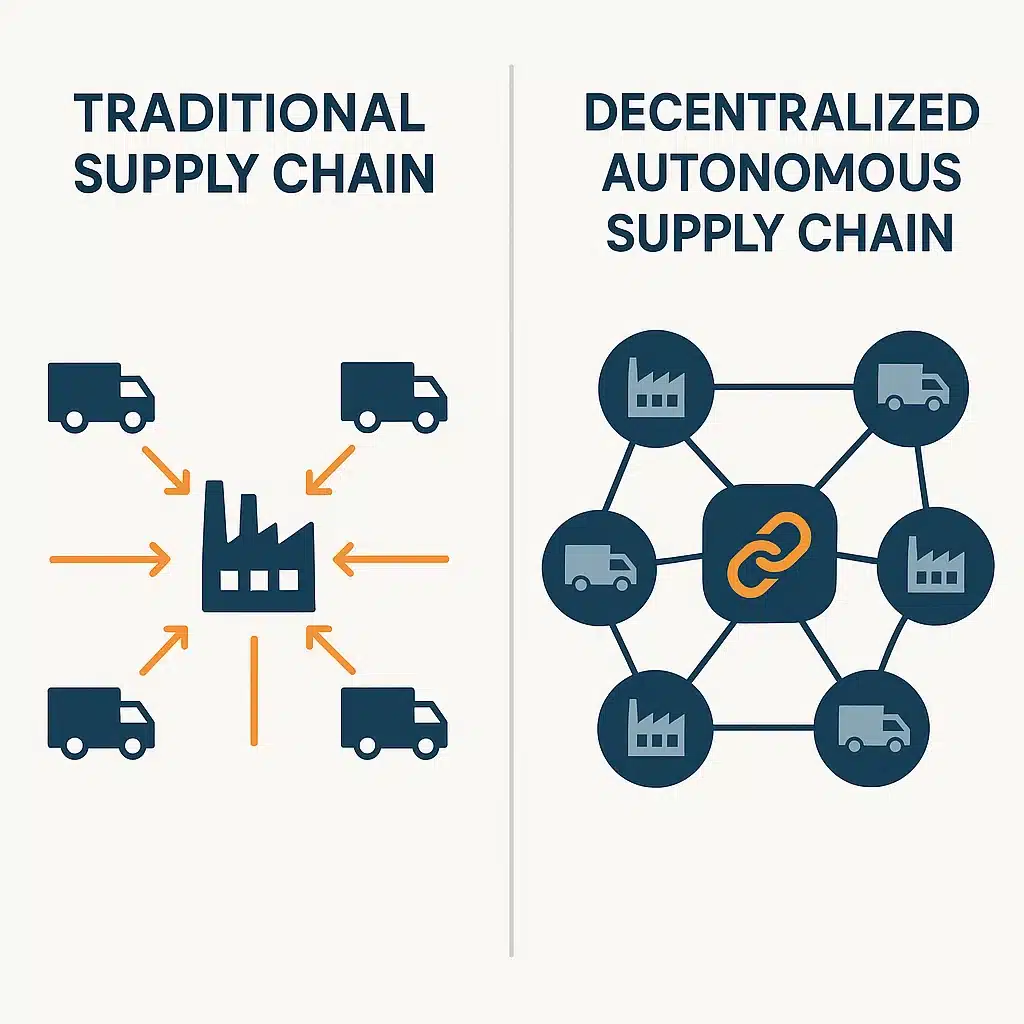
Decentralized Autonomous Supply Chains are emerging as one of the most transformative innovations in modern logistics. Traditional supply chains rely on centralized coordination, which often leads to bottlenecks, inefficiencies, and vulnerabilities during global disruptions. In contrast, DASCs leverage blockchain supply chain automation, distributed ledger technology, and autonomous governance models to create a more transparent and resilient network.
At their core, these systems connect suppliers, manufacturers, logistics providers, and retailers within a decentralized framework. Instead of depending on a central authority, processes are automated through smart contract tracking that executes predefined agreements instantly. Payments are triggered upon verified deliveries, shipments are rerouted autonomously during disruptions, and data is recorded immutably on the blockchain. This represents a fundamental shift from centralized control to distributed, trustless collaboration.
The Technology Backbone Behind DASCs
The success of Decentralized Autonomous Supply Chains depends on a combination of advanced technologies working together seamlessly.
Blockchain and Smart Contracts
Blockchain provides the immutable infrastructure for DASCs. Every interaction—whether it involves procurement, shipping, or payments—is recorded on a distributed ledger. Smart contract tracking ensures that agreements are executed automatically once conditions are met. For instance, if a delivery is confirmed through IoT sensors, payment can be instantly released without manual approval.
Decentralized Governance via DAOs
The DAO supply chain model introduces shared decision-making. Instead of a single authority deciding inventory thresholds or supplier inclusion, all participants can vote through a DAO-like governance system. This creates fairness, transparency, and trust while reducing corruption and favoritism.
Real-Time Data and IoT Integration
Internet of Things devices—such as GPS trackers, RFID tags, and smart sensors—feed constant data into the system. This allows decentralized inventory management, where warehouses automatically update stock levels and shipments reroute in real time when disruptions occur.
Automation and Robotics
Autonomous vehicles, drones, and AI-driven analytics form the operational layer of DASCs. They optimize routes, monitor demand, and execute logistics functions without human intervention. This level of web3 logistics ensures speed, accuracy, and adaptability across global supply chains.
Benefits of Decentralized Autonomous Supply Chains
The adoption of DASCs provides several strategic advantages for organizations and industries.
Enhanced Transparency and Trust
Every transaction in a decentralized system is visible to authorized participants. This level of accountability eliminates fraud and strengthens trust between stakeholders. For industries like pharmaceuticals or luxury goods, smart contract tracking guarantees authenticity and prevents counterfeiting.
If you want to explore practical strategies to generate rewards while engaging with blockchain ecosystems, check out our Earn page.
Cost Reduction and Efficiency
By removing intermediaries and automating processes, Decentralized Autonomous Supply Chains drastically reduce operational costs. Administrative overhead decreases, human error is minimized, and settlement times accelerate.
Improved Resilience and Agility
When unexpected disruptions occur—such as natural disasters or geopolitical events—autonomous systems can quickly adapt. Shipments can be rerouted, and suppliers can be switched automatically without waiting for centralized approval.
Sustainability and Equity
DASCs optimize resource use and reduce waste through blockchain supply chain automation. Ethical producers gain equal opportunities to participate, breaking free from reliance on large intermediaries. This fosters more sustainable and inclusive business models.
Democratic Decision-Making
The DAO supply chain model ensures inclusivity by allowing stakeholders of all sizes to influence policies. From safety standards to supplier selection, decisions are made transparently and collaboratively.
Real-World Applications of DASCs
Agriculture and Food Safety
Farmers and food distributors are testing Decentralized Autonomous Supply Chains to reduce disputes and ensure traceability. Consumers can track a product’s origin, verifying that it was sourced ethically and handled safely along the way.
Pharmaceuticals and Healthcare
In an industry where authenticity is critical, DASCs provide full traceability of medicines. This prevents counterfeit drugs from entering the market while enhancing patient safety.
Sustainable Governance Platforms
Multi-stakeholder models, where NGOs, local communities, and corporations share governance, are increasingly discussed. This approach enables tokenized supply chain participation, where contributors are incentivized through tokenized rewards for sustainable practices.
Web3-Enabled Logistics
In digital-native industries, web3 logistics platforms are already recording every movement of goods. The transparency ensures efficiency, accountability, and security across global networks.
Want weekly blockchain insights straight to your inbox? Join the BlockchainDudes Newsletter and never miss strategies, guides, and Web3 opportunities.
Key Challenges in Implementation
Despite their potential, Decentralized Autonomous Supply Chains face obstacles that organizations must address before mass adoption.
Integration and Data Quality
Legacy systems often lack standardized formats, making integration into decentralized frameworks challenging. Without accurate, real-time data, automation cannot function effectively.
Legal and Regulatory Uncertainty
The DAO supply chain model raises questions regarding liability, taxation, and compliance. Many jurisdictions still lack clear regulations for DAO-led governance, creating uncertainty for businesses.
Token Governance Risks
While tokenized supply chain models bring innovation, they risk centralization if tokens are concentrated among a few players. This undermines the decentralization principle.
Infrastructure and Costs
Deploying IoT devices, blockchain systems, and autonomous operations requires significant upfront investment. Businesses must carefully evaluate ROI before full-scale implementation.
Security Concerns
Smart contracts can be exploited if poorly coded. History has shown how vulnerabilities in DAOs can result in costly disruptions. Regular auditing and strong security protocols are critical for building trust.
Future Outlook and Adoption Roadmap
Phased Digital Transformation
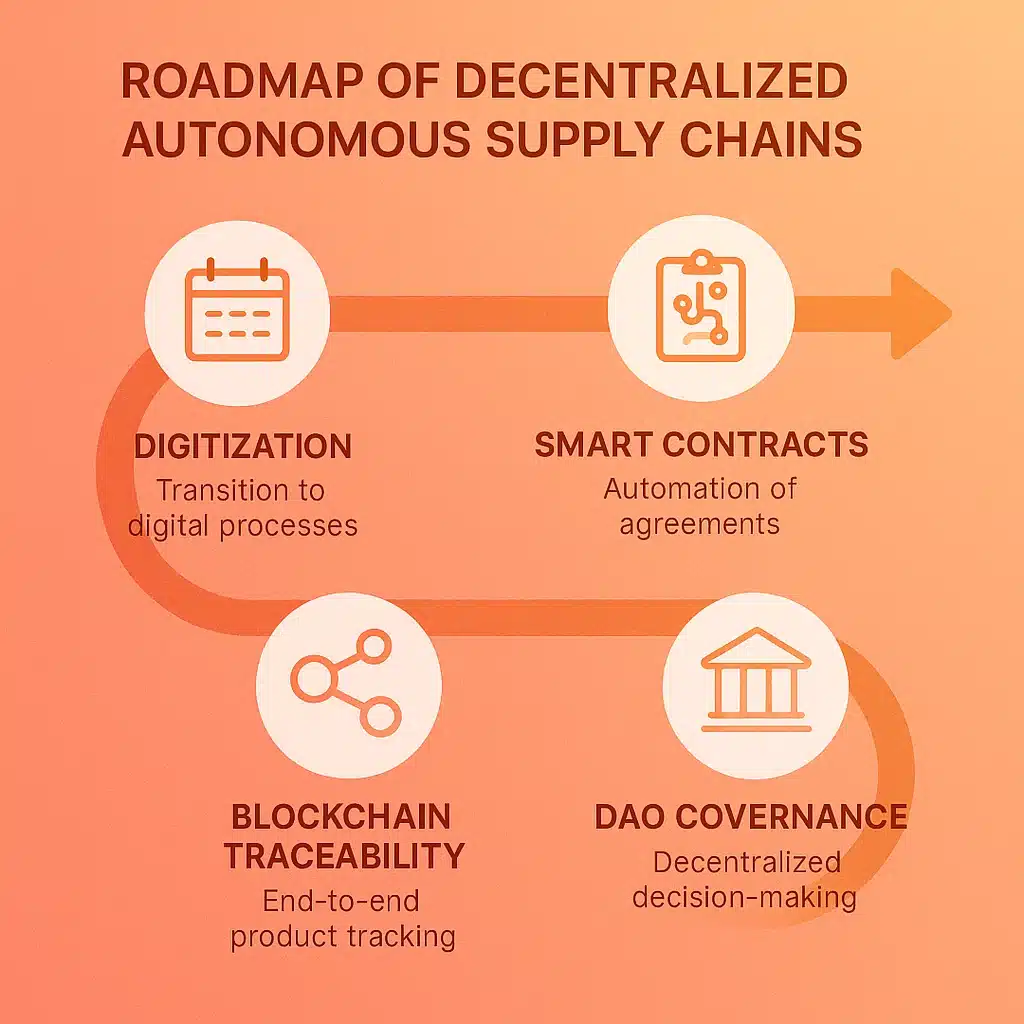
Organizations are advised to begin by digitizing their operations. The first step often involves blockchain-backed traceability solutions. Over time, smart contract tracking and DAO-based governance can be layered in gradually.
Hybrid Governance Models
Full decentralization may not be feasible immediately. A hybrid model, blending centralized oversight with DAO supply chain model governance, provides a realistic transition.
Industry Standards and Collaboration
Cross-industry consortia are vital for setting interoperability standards. Without shared frameworks, decentralized inventory management systems risk fragmentation.
Policy and Advocacy
Regulatory bodies must clarify compliance for DAOs and blockchain-backed supply chains. Clear guidelines will accelerate adoption and build enterprise confidence.
Why Businesses Should Act Now
The shift toward Decentralized Autonomous Supply Chains is no longer speculative—it is an inevitable evolution of logistics. Early adopters stand to benefit from reduced costs, greater resilience, and improved trust with stakeholders.
Companies that experiment with blockchain supply chain automation today will be better prepared for future disruptions. Those who integrate web3 logistics and decentralized inventory management will gain competitive advantages in sustainability and efficiency. And organizations that embrace the DAO supply chain model will foster fairness and inclusivity, aligning with the growing demand for ethical business practices.
Conclusion
Decentralized Autonomous Supply Chains represent a paradigm shift in global trade and logistics. By combining blockchain technology, smart contract tracking, IoT integration, and decentralized governance, they promise transparency, efficiency, and resilience unmatched by traditional systems.
If you’d like to support our mission to make blockchain education accessible to everyone, consider contributing through our Donation page.
Challenges such as regulation, integration, and security must be overcome, but the potential benefits far outweigh the risks. With tokenized supply chain models, web3 logistics platforms, and blockchain supply chain automation becoming more mature, the future of logistics is set to be decentralized, autonomous, and sustainable.
For forward-thinking organizations, the time to explore and invest in this transformation is now. Those who lead the transition toward Decentralized Autonomous Supply Chains will not only secure competitive advantages but also contribute to building fairer, more resilient, and more sustainable global trade networks
For serious HODLers, Ledger remains the gold standard in hardware wallet protection—your keys, your coins.
What differentiates a decentralized autonomous supply chain from a traditional supply chain?
Traditional chains rely on central authorities for coordination; DASCs operate autonomously, using smart contracts and blockchain to self-manage, optimize, and enforce processes transparently across stakeholders.
Are DASCs already in use today?
They’re emerging—pilot models in agriculture and Web3 logistics demonstrate traceability and governance benefits, though full-scale adoption is still nascent due to data, legal, and infrastructure barriers.
What’s the biggest hurdle to implementing DASCs?
Data integration remains a challenge—many legacy systems lack real-time, standardized data. Legal clarity around DAOs and smart contract governance is also evolving.
Can small suppliers participate in DASCs?
Yes—decentralization lowers entry barriers, enabling smaller, ethical producers to join global supply networks, enhancing inclusivity and sustainability.
Guess what? When you click and buy via our links, you’re not just enhancing your experience—you‘re also supporting our content creation for free, so we can keep sharing useful blockchain insights. It‘s a pump for both of us!
— Black