Introduction
The global energy landscape is undergoing a radical transformation. As distributed energy resources (DERs) such as rooftop solar panels, wind turbines, and battery storage systems become more common, centralized utilities are no longer the sole actors in energy distribution. The rise of Decentralized Energy Trading Blockchain platforms is reshaping how energy is exchanged, allowing direct peer-to-peer energy blockchain transactions between producers and consumers.
This innovative system uses blockchain technology, smart contracts, and tokenization to enable transparent, secure, and automated energy trading. The result is a smarter, greener, and more democratized energy market.
his shift highlights the urgent need for a scalable and secure Decentralized Energy Trading Blockchain to manage the increasing volume of localized energy exchanges.
What Is Decentralized Energy Trading Blockchain?
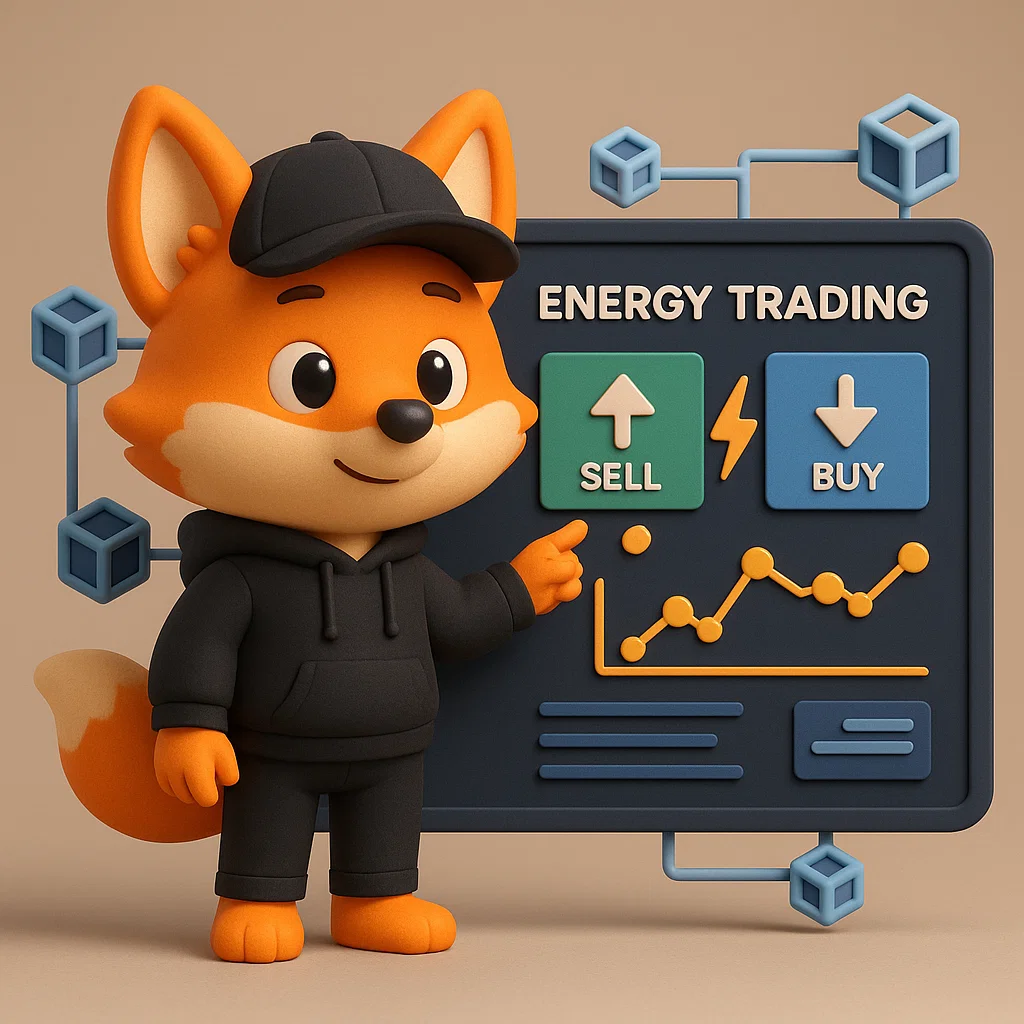
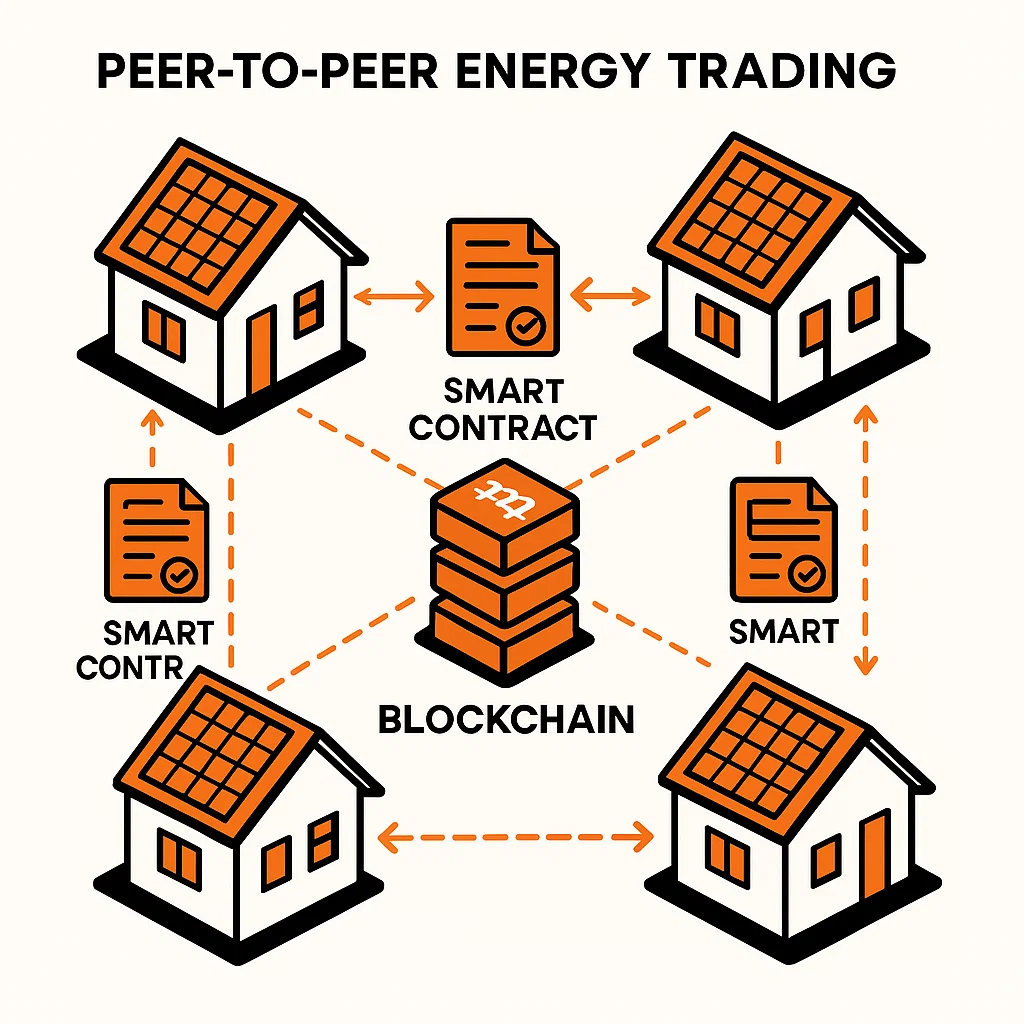
At its core, a Decentralized Energy Trading Blockchain system connects energy prosumers users who both produce and consume energy directly with consumers. Rather than selling excess energy back to a centralized utility at a fixed rate, prosumers can now trade with peers in their local community at dynamic market prices. All transactions are recorded on a distributed ledger, ensuring immutability and transparency.
Blockchain technology provides a decentralized infrastructure where trades are verified using consensus mechanisms, and smart contracts automate execution without the need for intermediaries. This facilitates a decentralized energy market that is not only more efficient but also more resilient.
The system also allows for energy tokenization, where units of electricity are converted into digital tokens that can be traded or used as proof of carbon offset. These tokens can also participate in DeFi applications, representing a new form of digital asset.
Key Technologies Behind the System
Distributed Energy Resources (DERs)
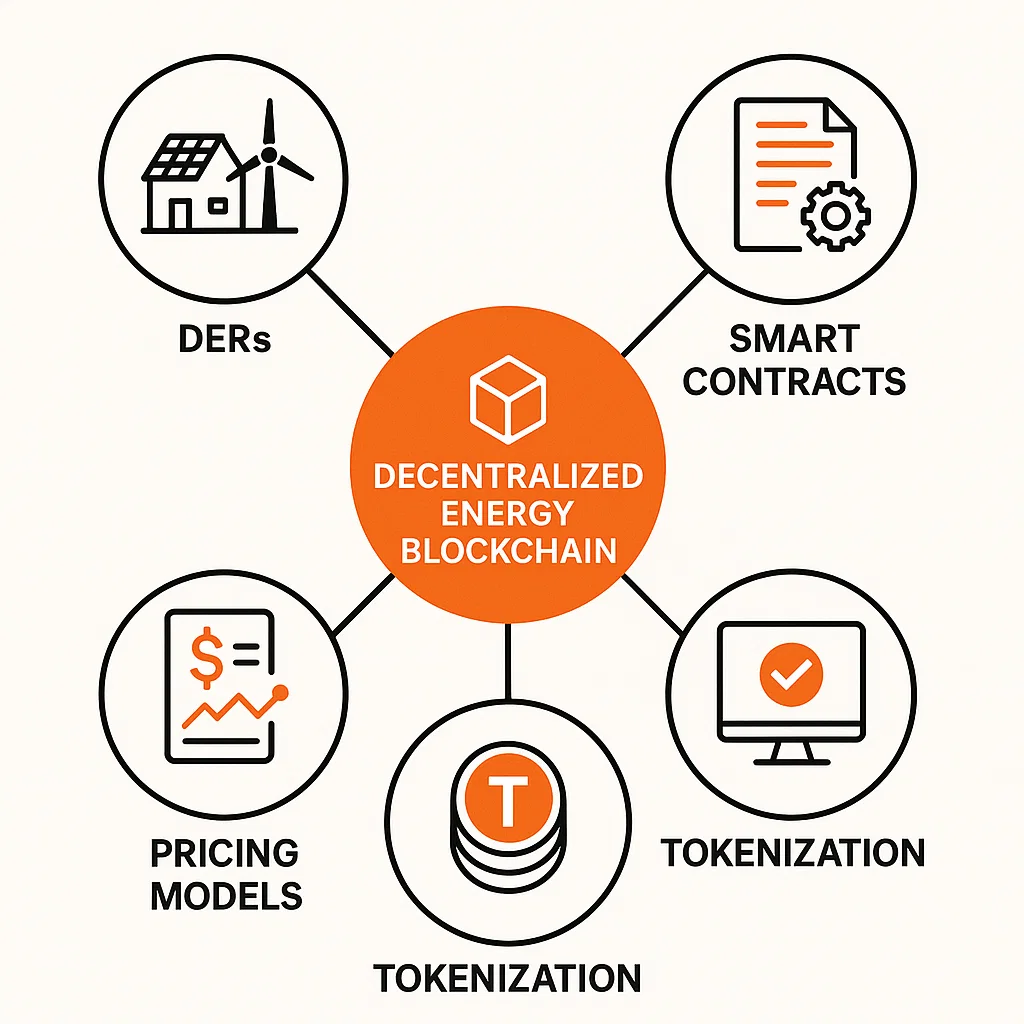
Smart grid blockchain platforms rely on DERs to generate and distribute energy locally. Solar, wind, and battery installations act as nodes within the grid, producing energy that can be consumed locally or traded. This drastically reduces transmission losses and enhances grid flexibility.
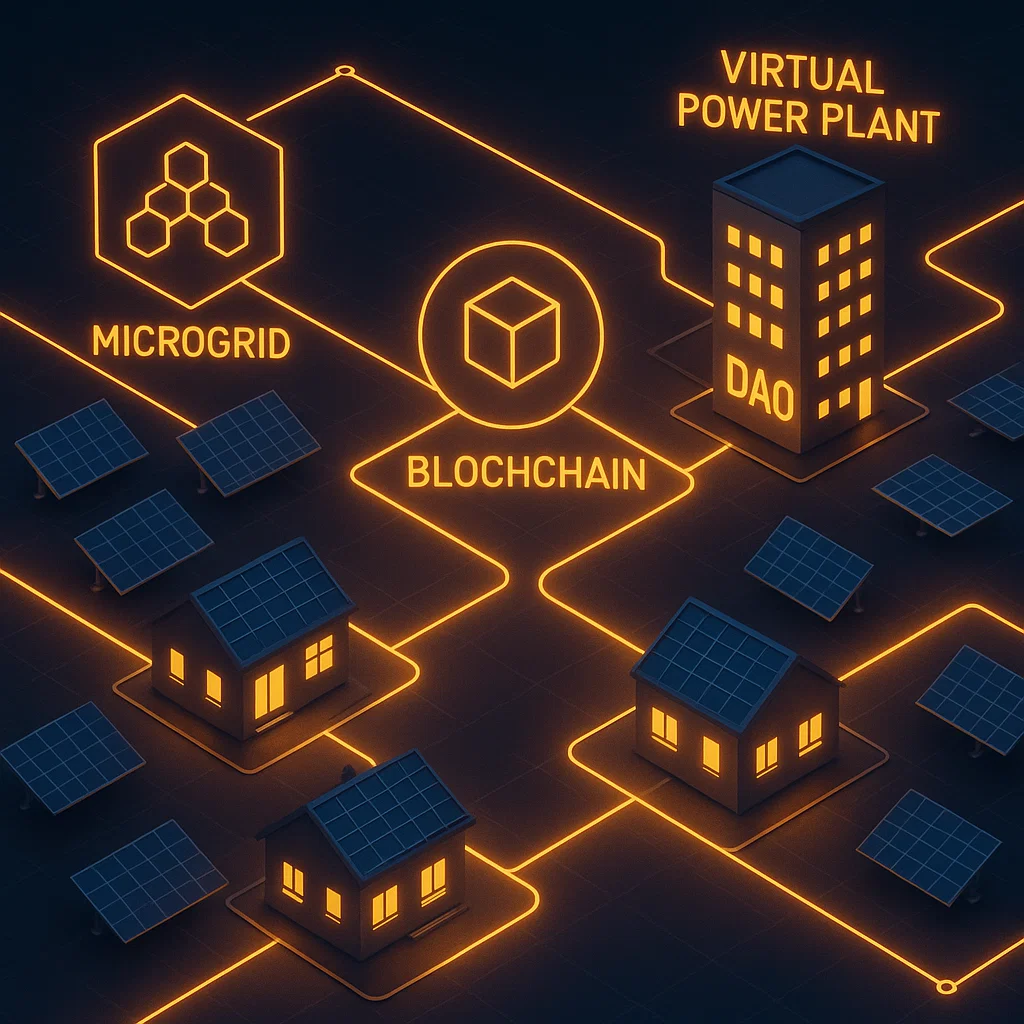
DERs are the foundation of microgrids, enabling autonomous operation and energy independence. By using blockchain to monitor energy input and output, each DER can be tracked in real-time with full transparency.
Smart Contracts and Automation
Smart Contracts Explained: These are self-executing codes stored on the blockchain that carry out the terms of a trade automatically. For example, if a household sells 5 kWh of energy, a smart contract verifies the delivery and executes payment instantly.
Smart contracts eliminate the need for manual intervention, reduce administrative costs, and offer secure enforcement of rules. Their transparency ensures trust between anonymous parties essential in a decentralized ecosystem.
These automated mechanisms are one of the foundational elements that make a Decentralized Energy Trading Blockchain not only feasible but essential for the future of energy commerce.
Consensus Mechanisms and Ledger Security
Unlike energy-intensive proof-of-work systems, most Decentralized Energy Trading Blockchain platforms adopt energy-efficient consensus protocols such as proof-of-stake or delegated proof-of-authority. These methods support fast, low-cost verification of energy trades while maintaining high security.
The ledger stores every transaction immutably, creating an audit trail for regulators, market participants, and environmental certifiers.
Pricing Algorithms and Market Logic
To ensure fair pricing, these platforms utilize advanced mechanisms like Stackelberg competition models, supply-demand equilibrium algorithms, and decentralized auctions. These systems dynamically adjust pricing based on market activity, balancing cost-effectiveness and profitability.
Such algorithms are essential for scaling local markets, avoiding price manipulation, and promoting economic sustainability in energy trading.
Energy Tokenization
Tokens such as POWR, Sparkz, and EWT represent energy credits on major platforms. These tokens are fundamental for facilitating transactions, but also unlock staking, governance, and reward systems.
Tokenizing Real World Assets like electricity offers liquidity, opens secondary markets, and allows energy to be integrated into broader blockchain ecosystems, including DeFi and NFT-based utilities.
Benefits of Blockchain in Renewable Energy
Cost Reduction and Efficiency
By removing traditional middlemen, platforms reduce fees associated with billing, settlement, and compliance. Studies show that blockchain in renewable energy systems can lower transaction costs by 30–40%.
Automation reduces manual labor and operational delays, making small-scale energy trading financially viable for individuals and communities.
Transparency and Auditability
Every trade is time-stamped and verifiable on-chain. This enhances energy provenance, prevents double-counting of credits, and simplifies carbon reporting. For governments and certifying bodies, blockchain offers a clear window into energy production and usage.
This level of traceability makes it easier to implement carbon markets, environmental regulations, and Blockchain for Sustainability initiatives.
Empowerment of Prosumers
The platform allows users to control their energy pricing, trading schedule, and preferred counterparties. They are no longer limited to feed-in tariffs set by utilities.
This democratization of energy supports rural electrification, solar cooperatives, and green startups, creating inclusive energy ecosystems worldwide.
Grid Independence and Resilience
During outages or disasters, blockchain-enabled microgrids can operate independently, supporting local needs. Smart grid blockchain technology allows these systems to self-balance based on real-time data, avoiding both underproduction and waste.
Environmental Impact
These platforms not only support clean energy usage but also incentivize it. By tokenizing renewable energy and offering financial rewards, they drive investments into solar, wind, and green hydrogen.
Projects are now combining solar power blockchain platform models with carbon credit marketplaces, creating synergy between economic growth and ecological responsibility.
If you’d like to help us continue building open-access content on energy and blockchain, consider supporting our mission.
Real-World Projects and Applications
Several innovative projects are already demonstrating how a Decentralized Energy Trading Blockchain can work effectively in live environments.
Want more breakdowns like this one? Join our newsletter for weekly insights into blockchain, Web3, and energy innovation.
Powerledger (Australia)
This dual-token platform enables local and global energy trading. Using POWR and Sparkz, users can transact energy, track usage, and earn rewards. Powerledger’s integration with existing grids has proven that decentralized models can coexist with traditional infrastructure.
Brooklyn Microgrid (USA)
Developed by LO3 Energy, this was one of the first real-world pilots. Neighbors in a Brooklyn community were able to trade energy over a blockchain-backed microgrid, with pricing determined dynamically based on supply and demand.
Other Global Pilots
In Estonia, Spain, and Japan, pilot programs using solar power blockchain platforms have reported up to 60% improvement in efficiency and trust metrics. In the U.S., companies like WePower and Electrify Asia are exploring cross-border tokenized energy marketplaces.
Challenges to Overcome
Scalability and Throughput
Blockchain’s traditional limitations like low transactions per second are being mitigated by Layer 2 solutions, off-chain processing, and protocol-level optimizations. Still, real-time energy markets require ultra-low latency, which remains a development focus.
To overcome this, developers are optimizing the core architecture of each Decentralized Energy Trading Blockchain to support higher throughput and real-time data exchange.
Legal and Regulatory Frameworks
Energy markets are heavily regulated. Integrating Decentralized Energy Trading Blockchain systems into national grids requires legal reform, smart meter adoption, and regulatory sandbox environments.
Clear standards around tokenization, taxation, and data storage must be developed to facilitate widespread deployment.
Data Privacy
While transparency is crucial, exposing user consumption data can lead to profiling or manipulation. Zero-knowledge proofs and data aggregation techniques are being developed to anonymize trading while retaining auditability.
Smart Contract Risks
Poorly written contracts may be exploited. Ensuring security audits, formal verification, and community governance are essential steps to safeguard platforms.
Future Trends and Opportunities
Integration with DeFi and Web3
Tokenized energy can be used as collateral, traded in decentralized exchanges, or integrated into ESG-linked portfolios. The overlap between energy tokenization and Web3 finance offers new revenue models for both individuals and institutional investors.
These use cases are also explored in our section on how to earn crypto with real-world blockchain applications.
Virtual Power Plants (VPPs)
Community-based grids managed via DAOs can act as virtual utilities, aggregating energy from thousands of DERs and redistributing it efficiently. This model encourages self-sufficiency and resilience in both urban and rural settings.
International Standardization
Organizations like the Energy Web Foundation are creating open-source protocols for identity, compliance, and asset registration essential for cross-border energy markets.
Interoperable Ecosystems
In the near future, users may be able to trade energy across platforms and countries using stablecoins or wrapped energy tokens. This will increase liquidity and drive broader participation. These interoperable systems will be crucial in the global adoption of Decentralized Energy Trading Blockchain frameworks.
Conclusion
The evolution of Decentralized Energy Trading Blockchain systems marks a turning point in the energy sector. By merging blockchain with smart grids, tokenization, and automation, these platforms foster transparency, efficiency, and empowerment. They enable a world where energy is traded like information instant, secure, and accessible.
As these innovations converge, the potential of a robust Decentralized Energy Trading Blockchain system becomes more than theoretical it becomes inevitable.
Challenges remain especially around scalability, regulation, and privacy but the momentum is undeniable. As more real-world pilots emerge and research deepens, blockchain-powered energy trading will likely become a key pillar of our sustainable future.
What is decentralized energy trading blockchain?
A system where energy‑producing consumers (prosumers) directly trade surplus energy peer‑to‑peer using blockchain and smart contracts, eliminating central intermediaries.
How do smart contracts work in this context?
Smart contracts enforce trades automatically matching demand/supply, setting dynamic pricing, and triggering payment once energy delivery is confirmed.
Is blockchain energy trading legal?
It depends regulatory frameworks vary by region. Pilots operate in regulated sandboxes; widespread adoption requires smart‑meter infrastructure and clear policies.
Are these platforms energy‑efficient?
Modern platforms increasingly use proof‑of‑stake or lightweight consensus to minimize energy usage unlike traditional proof‑of‑work blockchains.
What future trends are emerging?
Integration with DeFi, virtual power plant ecosystems, and tokenized carbon credits markets are key trends on the horizon.
Guess what? When you click and buy via our links, you’re not just enhancing your experience you‘re also supporting our content creation for free, so we can keep sharing useful blockchain insights. It‘s a pump for both of us!
— Black