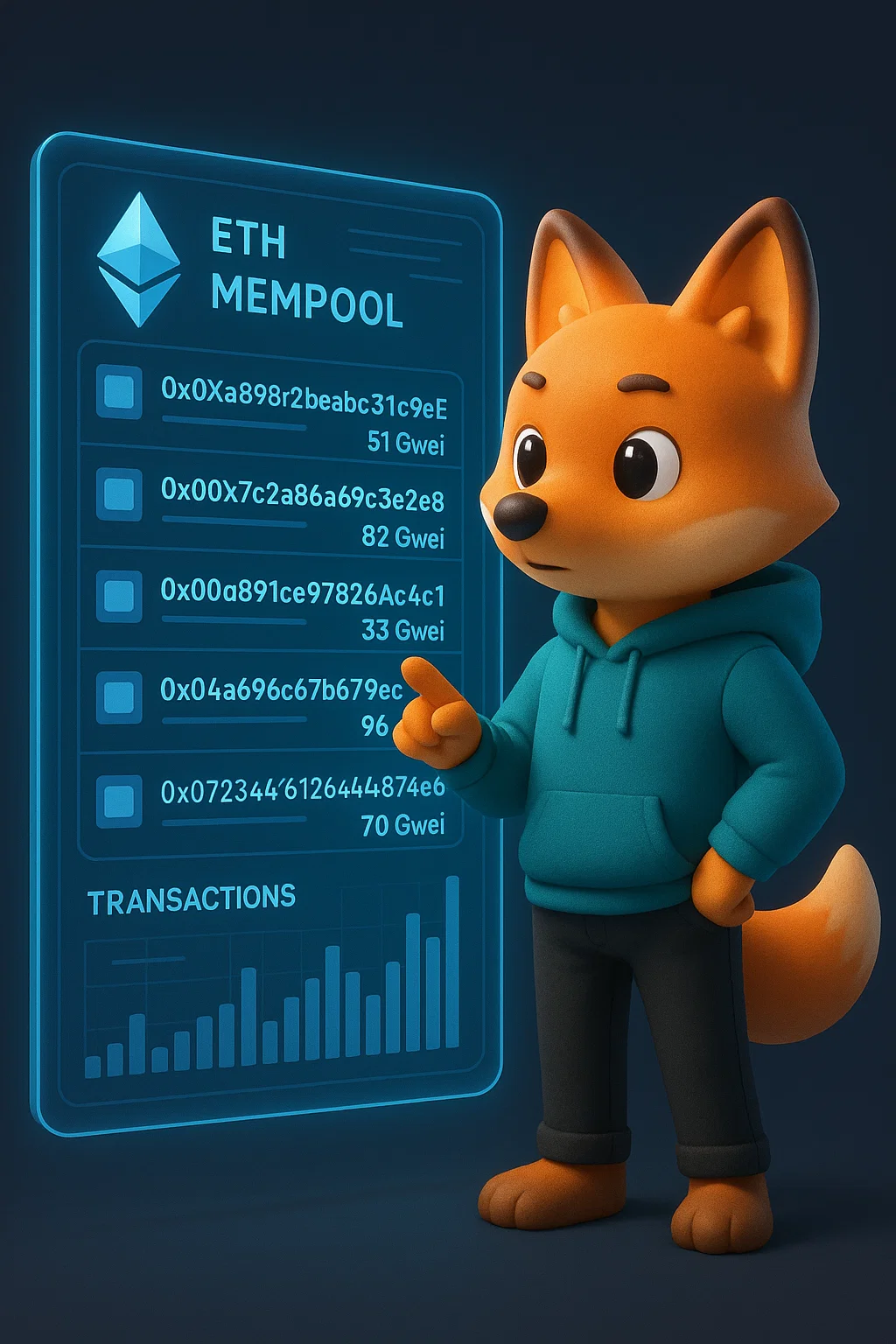


Cryptocurrency has redefined the financial landscape, offering investors and developers a unique blend of technology and economics. At the heart of this innovation lies tokenomics, a term that combines “token” and “economics” to describe the factors influencing a cryptocurrency’s value.
Understanding tokenomics is crucial for anyone involved in the crypto world. It goes beyond the surface of buying and selling, delving into the core elements that make a cryptocurrency sustainable, valuable, and attractive to users and investors. In this blog, I’ll break down the fundamentals of tokenomics and how it plays a vital role in determining cryptocurrency valuation.
What is Tokenomics?
Tokenomics refers to the study of the economic principles behind cryptocurrency tokens. It involves analyzing how tokens are created, distributed, and utilized within their ecosystems. Think of it as the economic model that drives the entire project.
The success of any cryptocurrency often hinges on well-designed tokenomics. It ensures that the ecosystem is sustainable, encourages adoption, and balances supply and demand. Tokenomics also helps differentiate projects in an increasingly competitive crypto space. For example, Bitcoin’s fixed supply creates scarcity, while Ethereum’s utility powers smart contracts and decentralized applications (dApps), setting them apart.
Key Components of Tokenomics
1. Token Supply
Token supply is one of the most significant factors in tokenomics. It’s categorized into three parts:
- Circulating Supply: The number of tokens currently available in the market.
- Total Supply: The total number of tokens in existence, including those not yet released.
- Maximum Supply: The hard cap on the total number of tokens that will ever exist.
Scarcity plays a critical role in driving value. For instance, Bitcoin’s capped supply of 21 million tokens makes it scarce, contributing to its reputation as “digital gold.” On the other hand, Ethereum has an uncapped supply but incorporates mechanisms like staking and burning to manage inflation.
2. Token Utility
Utility is what gives a token purpose. Tokens must serve a function within their ecosystem, such as:
- Payments: Used for transactions within a network.
- Staking: Securing the network while earning rewards.
- Governance: Allowing holders to vote on protocol changes.
- Access: Unlocking specific features or services within an application.
For example, Uniswap’s UNI token is essential for governance, while Chainlink’s LINK is used to pay for decentralized oracle services. The more utility a token has, the more demand it generates.
If you’re serious about securing your crypto investments, it’s essential to have the right tools. A Ledger hardware wallet is a top choice to keep your assets safe and protected from online threats. Click here to get your Ledger and secure your crypto!
In addition to securing your crypto, you can maximize your trading experience. If you sign up for Bybit through my referral link, you’ll get access to up to $30,050 in Welcome Rewards, including a $50 sign-up bonus and VIP trading perks. Plus, you’ll gain an exclusive “Supporter” role in my Discord server. Start trading on Bybit today with these exclusive benefits!
3. Distribution and Allocation
How tokens are distributed at launch significantly impacts their adoption and perception. Common distribution methods include:
- ICOs (Initial Coin Offerings): Selling tokens to raise funds.
- Airdrops: Distributing free tokens to build community interest.
- Mining Rewards: Incentivizing network participation.
A fair and transparent allocation strategy builds investor confidence. Conversely, uneven distribution, where a small group holds the majority of tokens, can create market manipulation risks.
4. Burn Mechanisms and Deflationary Models
Some projects implement token burns, where tokens are permanently removed from circulation to reduce supply. This deflationary model often increases a token’s value over time.
- Example: Binance Coin (BNB) regularly burns a portion of its supply, boosting demand and price.
Burn mechanisms can create scarcity, but they must be carefully managed to avoid unintended consequences.
5. Staking and Incentives
Staking involves locking tokens to support network operations in exchange for rewards. It creates demand while reducing circulating supply, benefiting token holders and the ecosystem.
- Example: Cardano’s ADA allows users to earn staking rewards while contributing to network security.
6. Governance
Governance tokens give holders the power to participate in protocol decisions. Decentralized governance adds intrinsic value by empowering the community. Projects like MakerDAO and Uniswap exemplify how governance strengthens ecosystem trust and adoption.
Factors Influencing Cryptocurrency Valuation
1. Market Demand and Adoption
Adoption drives demand, and demand drives value. Cryptocurrencies with practical use cases and growing communities tend to perform well. For example, Ethereum’s widespread adoption for dApps has made it a top blockchain platform.
2. Speculation vs. Utility
While utility underpins long-term value, speculation often drives short-term price swings. The challenge lies in balancing hype with real-world applications.
3. External Market Factors
Regulatory changes, macroeconomic trends, and competition influence token prices. For instance, increased adoption of blockchain by traditional finance has boosted confidence in cryptocurrencies.
4. Liquidity and Exchange Listings
Liquidity ensures ease of trading, reducing price volatility. Tokens listed on multiple reputable exchanges are more accessible, boosting adoption.
Tokenomics in Action: Case Studies
1. Bitcoin (BTC)
Bitcoin’s tokenomics are simple yet powerful. Its capped supply and halving events create scarcity, while its decentralized nature ensures security and trust.
2. Ethereum (ETH)
Ethereum’s tokenomics focus on utility. As the backbone of DeFi and NFTs, Ethereum’s value is tied to its ability to power decentralized applications. Ethereum 2.0’s shift to Proof of Stake enhances its scalability and environmental sustainability.
3. Binance Coin (BNB)
BNB combines utility (used for trading fee discounts on Binance) with deflationary mechanisms like token burns. This strategic tokenomics model has solidified its position among the top cryptocurrencies.
Conclusion
Tokenomics is the backbone of every cryptocurrency, influencing its value, adoption, and sustainability. Whether you’re an investor or developer, understanding tokenomics is essential for making informed decisions in the crypto space.
The science behind tokenomics blends economics, technology, and human behavior, offering a fascinating glimpse into how value is created in the digital age. Before investing in or supporting a project, take the time to analyze its tokenomics it’s the key to identifying strong, sustainable cryptocurrencies.
FAQs
What is the difference between tokenomics and traditional economics?
Tokenomics focuses on the economic principles of cryptocurrency ecosystems, emphasizing factors like token supply, utility, and distribution. Traditional economics covers broader systems, including fiat currencies and global markets.
How does token supply affect a cryptocurrency’s price?
Limited supply creates scarcity, often leading to higher demand and value, while an uncapped supply can dilute value if demand doesn’t keep pace.
What are some examples of tokens with strong utility?
Limited supply creates scarcity, often leading to higher demand and value, while an uncapped supply can dilute value if demand doesn’t keep pace.
Can tokenomics guarantee the success of a cryptocurrency?
No, tokenomics is a crucial factor, but market conditions, competition, and adoption also play significant roles in a cryptocurrency’s success.
How do I evaluate the tokenomics of a new crypto project?
Review the whitepaper, analyze token distribution, assess utility, and check for mechanisms like staking or token burns that support value retention.
“Guess what? When you click and buy through our links, you’re doing more than improving your journey. You’re supporting us in a way that doesn’t cost you extra but helps us keep bringing you the best blockchain posts. It’s a pump for both of us!”
-0xteumessia