

Introduction
In the digital era, creators face a constant tension: how can they make content widely accessible while also ensuring sustainable income? Traditional models such as subscription paywalls, ad-driven revenue, or donation buttons have dominated for years, yet they often come with downsides. Ads reduce user experience, subscriptions limit flexibility, and donations can feel unreliable. A new paradigm is emerging thanks to blockchain: Unlocking Content with Crypto. This approach enables creators to monetize their work directly while giving users new ways to access exclusive material.
What Does Unlocking Content with Crypto Mean?
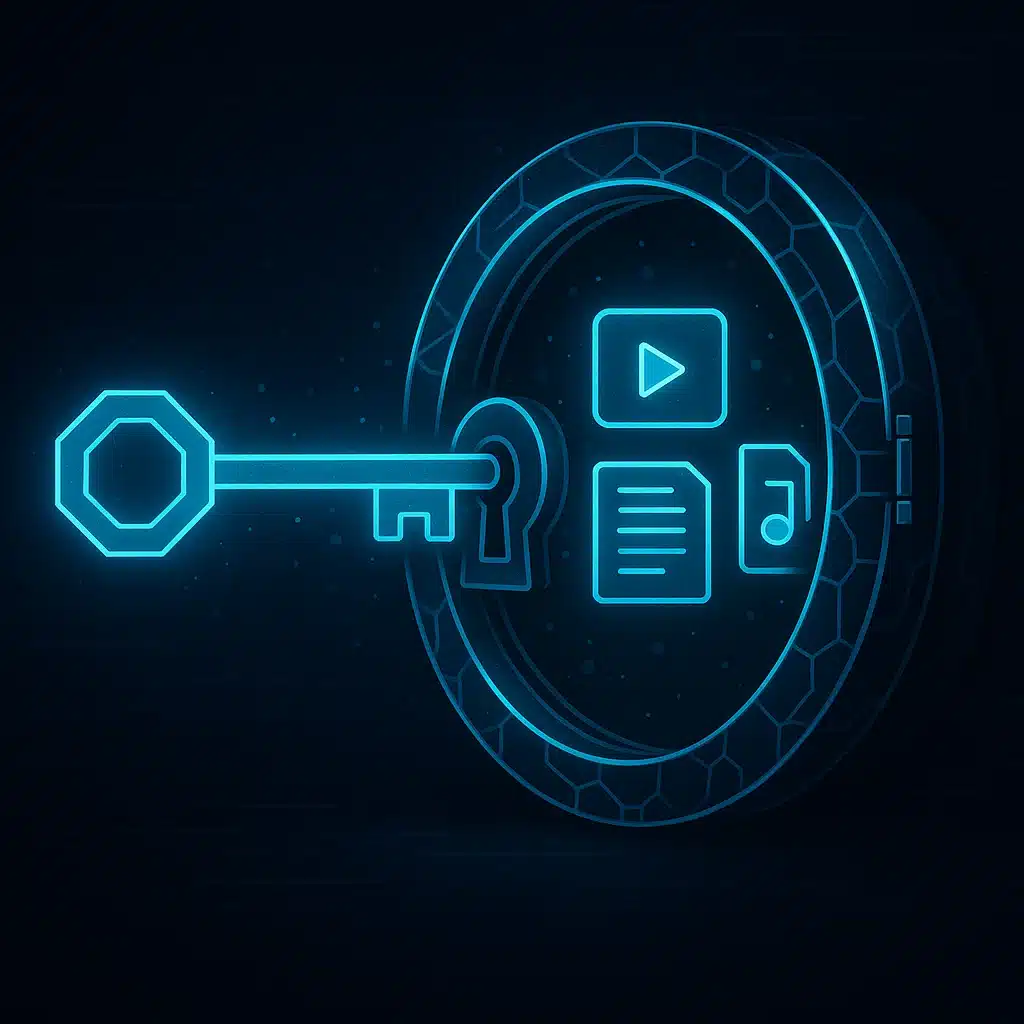
At its core, Unlocking Content with Crypto refers to using blockchain-based tools like tokens, NFTs, and smart contracts to control and monetize access to digital content. Instead of a simple web2 paywall, crypto introduces token-based access control, which means that only users who meet certain criteria—holding a token, paying in cryptocurrency, or acquiring a digital key—can unlock premium content.
What is Token Gating?
One of the main methods for crypto content monetization is token gating. But what is token gating exactly? Token gating means that a user must prove ownership of a particular token or NFT inside their wallet in order to access content. This could apply to exclusive articles, videos, podcasts, or entire communities. Because wallets are verifiable on-chain, creators do not need centralized logins. The wallet itself becomes the user’s proof of eligibility.
Token Gated Content Examples
To better understand how this works, here are some token gated content examples already used by creators and platforms:
- Exclusive communities: Private Discord groups or forums where entry requires holding a certain NFT.
- Premium blog posts: Writers on Substack or independent blogs may grant access only to wallets with the right membership token.
- Video libraries or courses: Educational platforms can issue NFTs as tickets to premium tutorials.
- Live events and AMAs: Only token holders can attend live streams, Q&A sessions, or special behind-the-scenes content.
These examples show that Unlocking Content with Crypto is not just theoretical; it is already being applied across industries.
NFT Membership Access
Another powerful application is NFT membership access. Instead of paying for a recurring subscription through a centralized platform, users purchase or mint an NFT that represents their membership. The smart contract behind the NFT determines the duration, renewal conditions, and benefits.
This system is highly flexible. Membership NFTs can expire, renew automatically, or even evolve into dynamic NFTs that grant new features over time. Unlike traditional subscriptions, these NFTs can also be traded on secondary markets, meaning users may resell unused access while creators can earn royalties on every resale. This is the foundation of the growing trend in Web3 subscriptions, where blockchain replaces traditional payment processors.
Micropayments and Pay-Per-View Models
Beyond memberships, Unlocking Content with Crypto allows micropayments. Traditional payment systems like PayPal or credit cards make small transactions impractical due to fees. With crypto, especially on Layer-2 networks, users can pay fractions of a dollar to unlock a single article, video, or tutorial.
This flexibility creates a fairer system for casual users who may not want full subscriptions. Instead of being locked out entirely, they can contribute on a per-use basis. For creators, this expands the potential audience while maintaining sustainable revenue.
Why Unlocking Content with Crypto Matters
The significance of this trend lies in its unique advantages:
Creator Control and Revenue
Creators gain independence from platforms that take large commissions. Smart contracts enforce royalties automatically, ensuring that creators receive fair compensation.
New Monetization Models
With crypto content monetization, creators are not limited to ads or fixed subscriptions. They can experiment with hybrid models, token gating, NFT membership access, and pay-per-view structures.
Community Building
Token holders feel invested in the ecosystem. By requiring tokens for access, creators create loyal communities that are both financially and emotionally engaged.
Transparency
Blockchain makes transactions and ownership visible. Users know what they are buying, while creators can prove authenticity, scarcity, and provenance.
Interoperability
Access rights are portable. A wallet used to access one platform may also work on another, enabling broader token-based access control across Web3.
With crypto content monetization, creators are not limited to ads or fixed subscriptions. They can experiment with hybrid models, token gating, NFT membership access, and pay-per-view structures. Discover more strategies to maximize your potential in our Earn section.
Challenges and Risks
Despite its promise, Unlocking Content with Crypto comes with challenges:
- Onboarding friction: Many users are unfamiliar with wallets, private keys, or gas fees. Creators must simplify onboarding and consider fiat gateways.
- Regulatory concerns: Depending on jurisdiction, tokens or NFTs may fall under securities or financial laws, creating legal uncertainty.
- Scalability and cost: On chains with high gas fees, micropayments lose practicality.
- Piracy: Even gated content can be copied or shared externally. NFTs secure ownership but cannot prevent leaks.
- Market volatility: Payment in crypto fluctuates in value, making pricing unpredictable.
For creators, one way to reduce uncertainty is to diversify revenue streams, from micropayments to recurring support. Explore how you can contribute in our Donation page.
How to Implement Unlocking Content with Crypto
For creators interested in adopting this model, here is a practical roadmap:
- Define the value proposition: Decide what content deserves to be gated. Premium or exclusive content usually works best.
- Choose the blockchain: Consider fees, speed, wallet support, and ecosystem tools.
- Design the access mechanism: Decide between token gating, Web3 subscriptions, one-time micropayments, or hybrid models.
- Set up smart contracts or tools: Use solutions like Unlock Protocol to simplify deployment. Always ensure contracts are secure and audited.
- Focus on user experience: Simplify wallet setup, offer fiat on-ramps, and minimize technical barriers.
- Ensure compliance: Understand legal implications of token sales and be transparent with users.
- Set pricing strategy: Balance affordability with sustainability, accounting for transaction fees.
- Build community: Engage token holders, communicate benefits clearly, and foster trust.
- Analyze and iterate: Track usage, revenue, and feedback to refine the model.
Real-World Use Cases
Unlock Protocol
One of the best-known platforms enabling Unlocking Content with Crypto is Unlock Protocol. It allows creators to monetize content via NFT membership access and subscription keys with expirations, renewals, and flexible features.
Token Gated Communities
Creators use token gating for communities on Discord or private forums. By requiring ownership of NFTs, they ensure only dedicated members gain access.
Pay-Per-View Content
Artists and educators experiment with crypto micropayments, offering single-article access or pay-per-view video tutorials.
Proof of Ownership
NFTs can represent ownership of high-resolution artwork, music, or rare editions. This ensures verifiable provenance and enables resale royalties.
These token gated content examples demonstrate how the technology is reshaping industries from publishing to entertainment.
The Future of Unlocking Content with Crypto
The next phase of this innovation will likely include:
- Layer-2 scaling solutions: Lower fees will make micropayments more practical.
- Hybrid Web2 + Web3 models: Standard websites offering both fiat subscriptions and token-gated extras.
- Dynamic NFTs: Tokens that evolve and change access rights based on time or user behavior.
- Decentralized identity: Wallet-based credentials that allow cross-platform content access.
- Regulatory clarity: Laws catching up with innovation, creating safer conditions for adoption.
- AI + Crypto integration: Personalized or AI-generated content unlocked only via token ownership.
All of these developments point to a world where Web3 subscriptions and blockchain-based access control become mainstream.
Conclusion
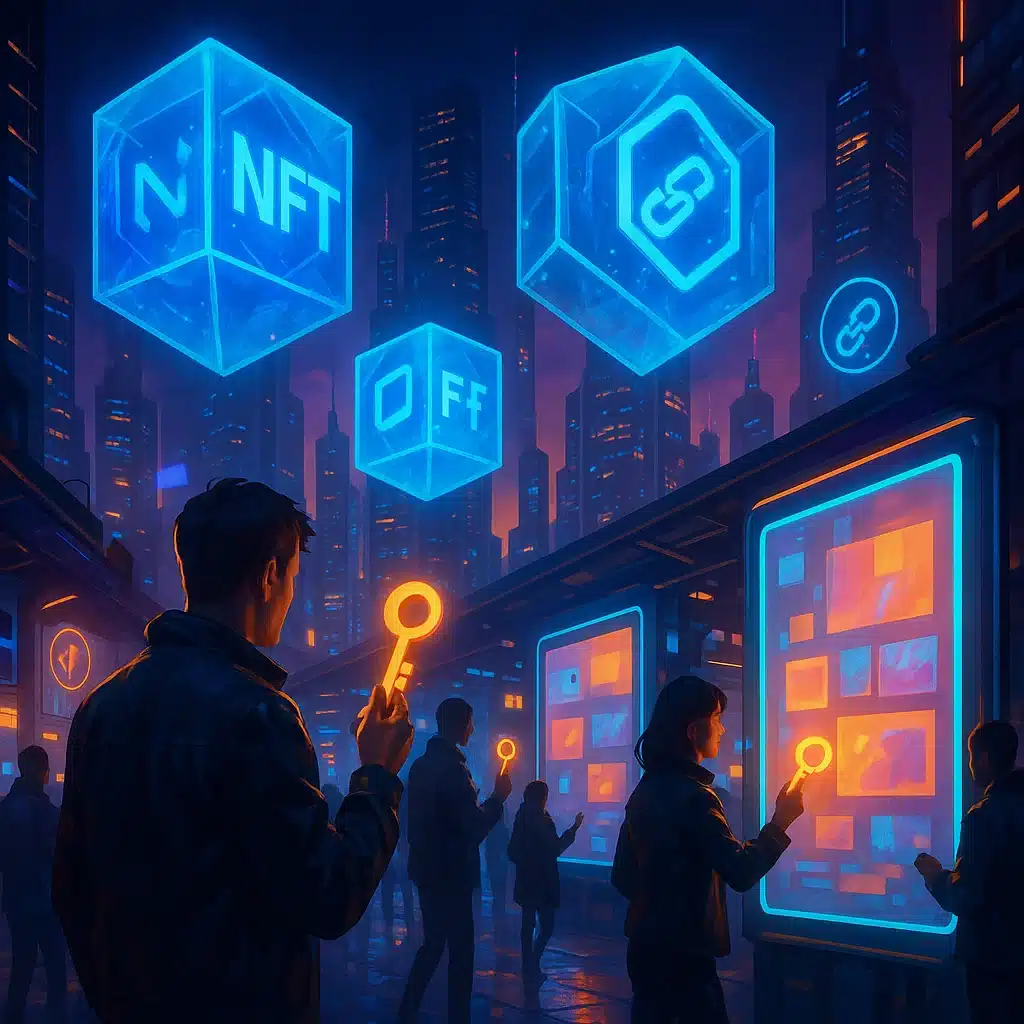
Unlocking Content with Crypto is more than a trend; it represents a paradigm shift in digital content economics. It empowers creators with control, introduces new crypto content monetization strategies, and builds stronger communities through token-based access control. While challenges like onboarding, regulation, and volatility remain, the potential benefits far outweigh the risks.
As Layer-2 solutions, NFT membership access, and Web3 subscriptions grow in adoption, both creators and consumers will benefit from a fairer, more transparent, and portable system. For those building the future of digital content, understanding how Unlocking Content with Crypto works is no longer optional—it is becoming essential.
What platforms already support content‑token gating?
Platforms like Unlock Protocol; some Web3‑friendly CMS and communities also allow token gating. Integration depends on the platform and blockchain support.
Can content locked by crypto still be pirated?
Yes—once unlocked by a user, content can be shared externally. Crypto methods control access but don’t inherently stop all piracy; watermarking, community incentives, and legal protections help.
How expensive are the transaction fees / gas costs?
It depends on the blockchain. On Ethereum mainnet, gas fees may be high; Layer‑2s, sidechains or other blockchains may offer far cheaper options. Also, batching, using meta‑transactions, or subsidizing fees are options.
Is this model legal everywhere?
Not always. Some jurisdictions treat utility tokens or NFTs as securities; there may be tax or regulatory obligations. Always consult legal counsel in your region.
What is the best content to unlock with crypto first?
Start with premium or exclusive content—deep‑dive articles, exclusive video, behind‑scenes, limited editions. Test with your audience what they value and what they’ll pay for.
Guess what? When you click and buy via our links, you’re not just enhancing your experience—you‘re also supporting our content creation for free, so we can keep sharing useful blockchain insights. It‘s a pump for both of us!
— Black